Qwen-Image-2.1: 7B Open Weights, Native Transparency, Unified Editing
Alibaba's Qwen team open-sourced Qwen-Image-2.1 on September 20, 2026, and the headline number is unusually small: the visual generation component has 7B parameters, down from the 20B class of earlier Qwen-Image releases. The model unifies text-to-image generation and image editing in a single network, generates and edits transparent (RGBA) images natively, and — on Qwen's own benchmark — lands in the same territory as closed flagships while running on a consumer GPU. Weights are live on Hugging Face and ModelScope, with day-0 support in Diffusers, ComfyUI, and vLLM.
The release leans on four improvements: a compact and efficient architecture, native transparency inside one unified model, more versatile editing, and better textures and aesthetics. None of this is independently verified yet — but on paper, this is one of the most feature-dense small image models in the open-weight ecosystem.
A 7B model picking a 20B-weight fight
On Qwen's own Qwen-Image-Bench comparison, Qwen-Image-2.1 scores a 60.28 total, ranking 7th out of 29 models evaluated — with 7B parameters against rivals that are closed-source, larger, or both.
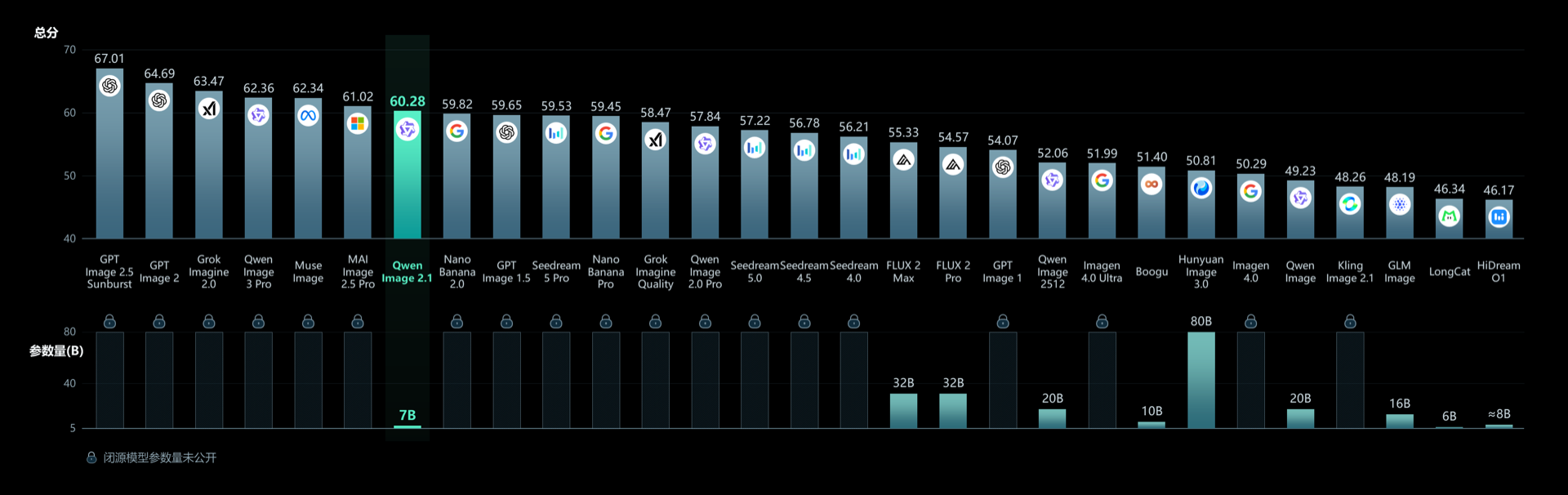
Image: Qwen-Image-Bench evaluation from the official announcement, September 20, 2026.
That puts it ahead of Google's Nano Banana 2.0, GPT Image 1.5, ByteDance's Seedream 5 Pro, FLUX 2 Max, and Imagen 4.0 Ultra — and comfortably ahead of the previous generation, with Qwen-Image-2.0 Pro at 57.84 and the original Qwen-Image at 50.29. It is also the highest-scoring open model in the chart. What still outranks it: GPT Image 2.5 tops the table at 67.01, followed by GPT Image 2 (64.69), Grok Imagine 2.0 (63.47), and Qwen's own proprietary Qwen Image 3 Pro (62.36).
The standard caveats apply — this is the vendor's own benchmark, published a day after release, and independent evaluations are still pending. But a 7B open model outscoring most of the closed field at all is the story here.
Built for cheap inference
The architecture is where the 7B budget goes furthest. Qwen-Image-2.1 uses 32 single-stream DiT layers, and its efficiency trick is what Qwen calls a mixed-granularity attention design: text — the system prefix and editing instructions — is handled with a token-level causal mask, while image generation uses a chunk-level mask.
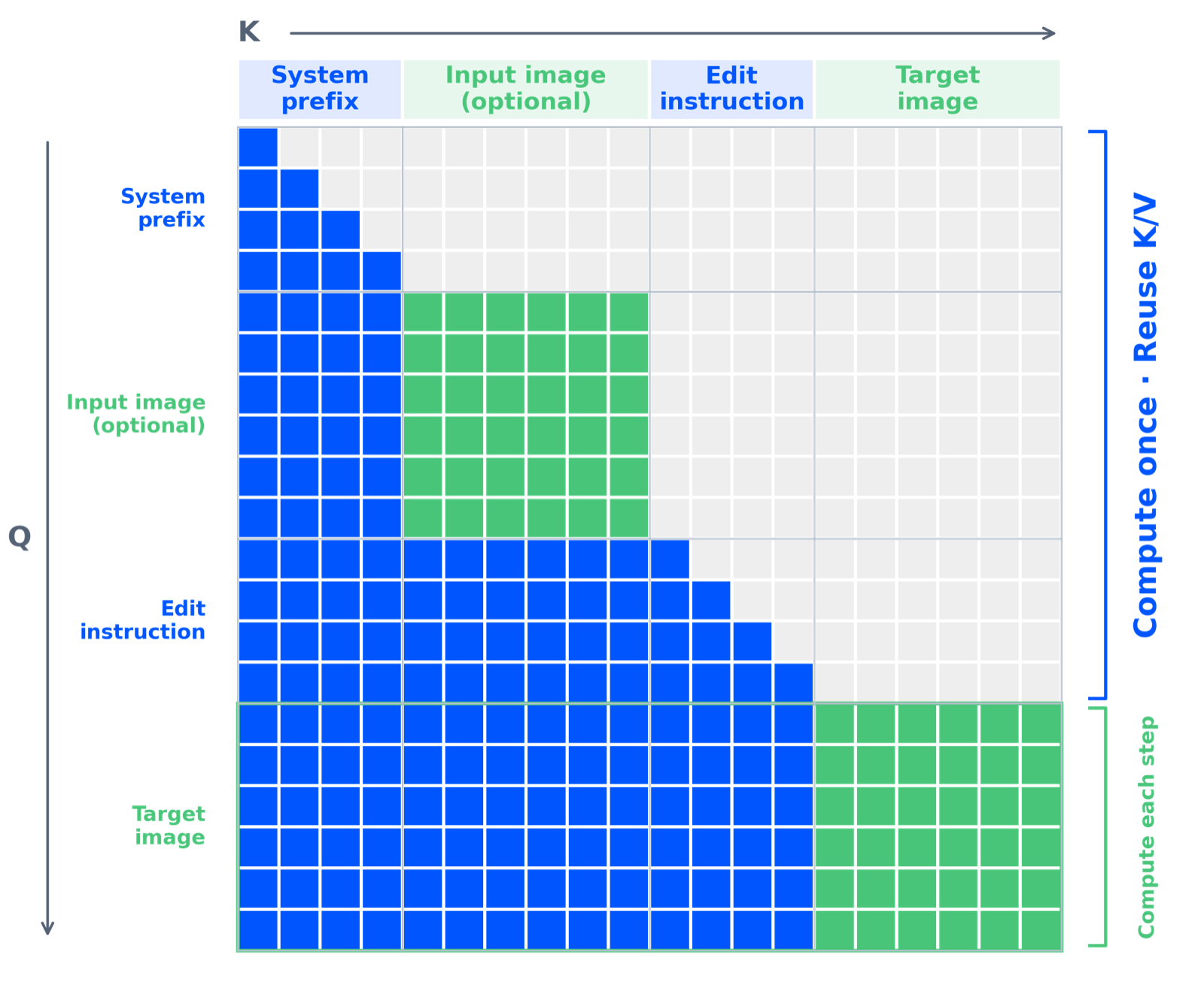
Image: the mixed-granularity attention architecture, with static context cached across denoising steps.
Combined with prefix KV cache reuse, input images and editing instructions are treated as static context: computed once in the first step, then cached for every subsequent denoising step. That is precisely the workload that gets expensive in multi-reference editing, and it is where the model claws back latency and memory.
The rest of the stack, per the model card: a Qwen3-VL 8B text encoder that also ingests condition images, a 64-channel RGBA autoencoder with 16× spatial compression, and flow matching with an Euler scheduler. Day-0 ecosystem support includes Diffusers (QwenImage21Pipeline), ComfyUI, vLLM-Omni with FP8 quantization and CUDA graphs, SGLang-Diffusion, and LightX2V — plus AMD Radeon via ROCm and multi-chip setups through FlagOS/FlagGems. The Decoder reports it runs on a single RTX 3090-class GPU, with enable_model_cpu_offload() as the escape hatch for smaller cards.
Transparency is now a prompt away
In December 2025, Qwen shipped Qwen-Image-Layered as a dedicated transparent-image model. Qwen-Image-2.1 folds that capability into the unified model: the prompt decides whether you get an RGB image or an RGBA one — no separate checkpoint, no separate pipeline.
That covers the full asset workflow. The model generates transparent subjects directly from text, including multi-element compositions for design work:
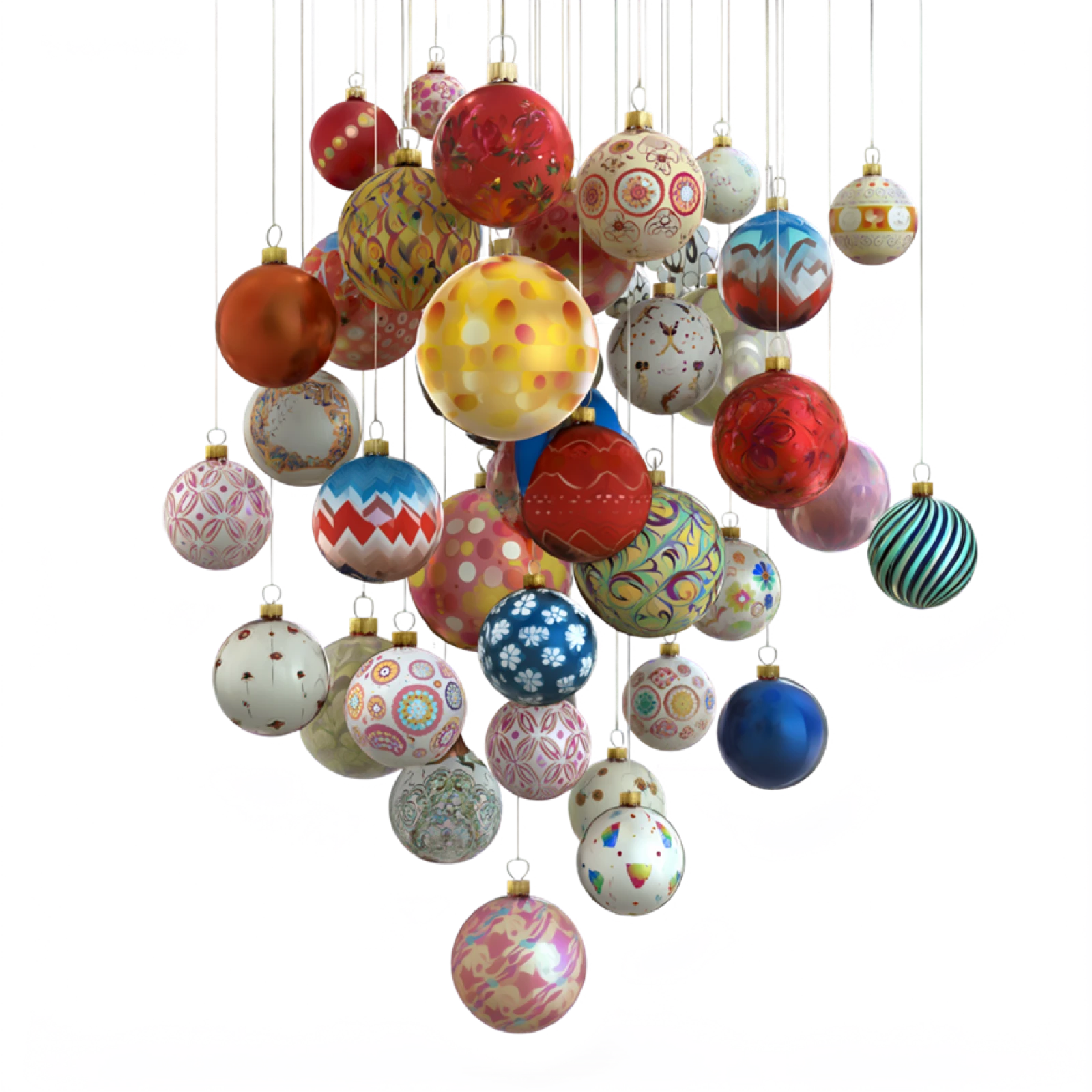
Image: a transparent composition generated from text, with alpha channel intact.
It edits transparent layers — changing a subject's expression while preserving the transparent background, or rewriting text inside a transparent layer, like swapping "BLOOM" for "Qwen-Image":

Image: text editing within a transparent layer — input left, result right.
And it works on real photographs: given an RGB photo, it can extract the subject as a clean RGBA layer for reuse in later compositions.
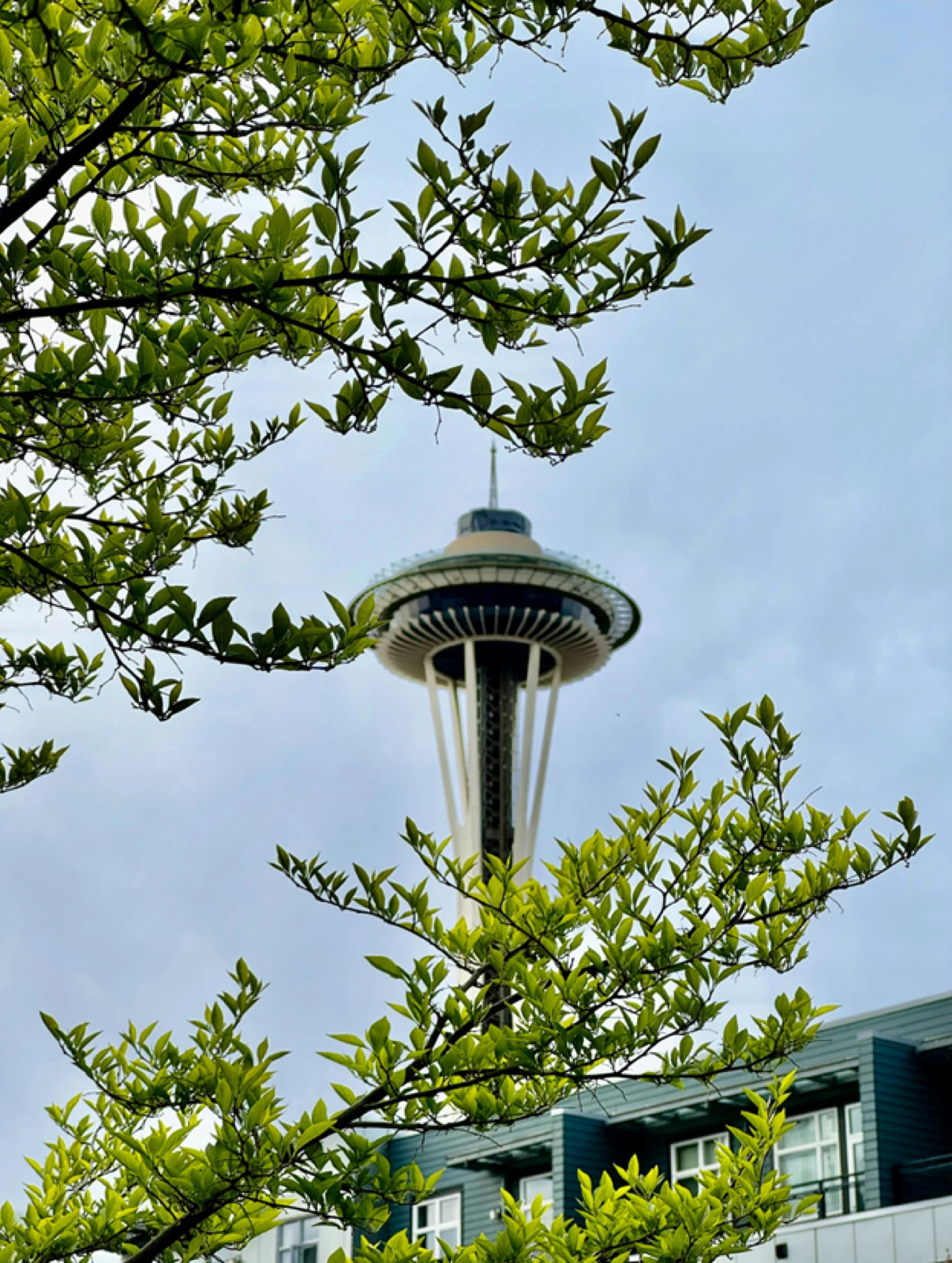
Image: subject extraction from a photograph into an RGBA layer.
Editing: ten references, three ways to point
Editing improvements come in four areas — multiple references, local control, fidelity, and task coverage.
Up to 10 reference images can be combined into one coherent output. The blog demonstrates a group photograph assembled from six individual portraits, a complete virtual try-on outfit from five inputs (model, clothing, shoes, bag, hat), and a fully furnished room from ten furniture references:
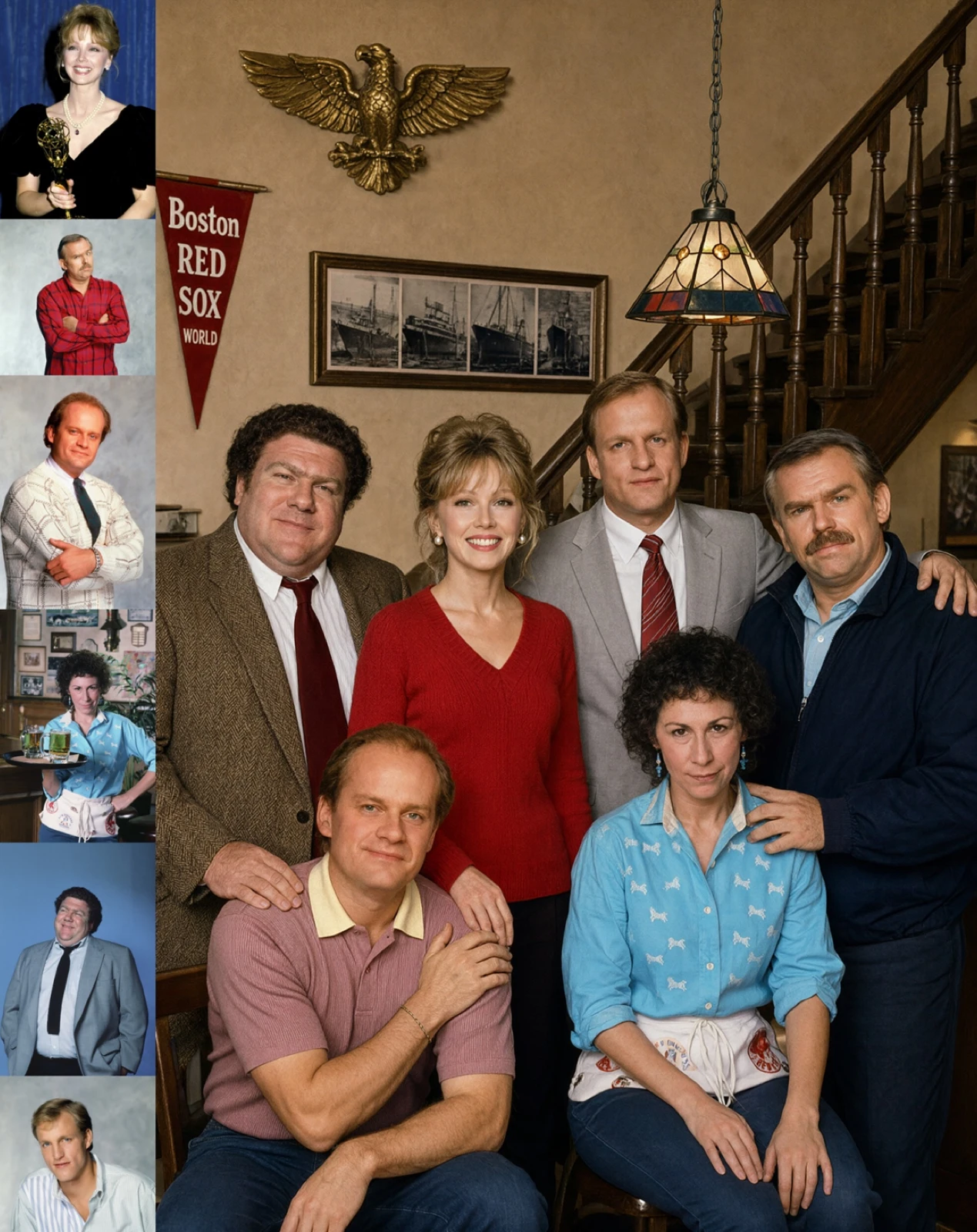
Image: a group photo synthesized from six portrait references.
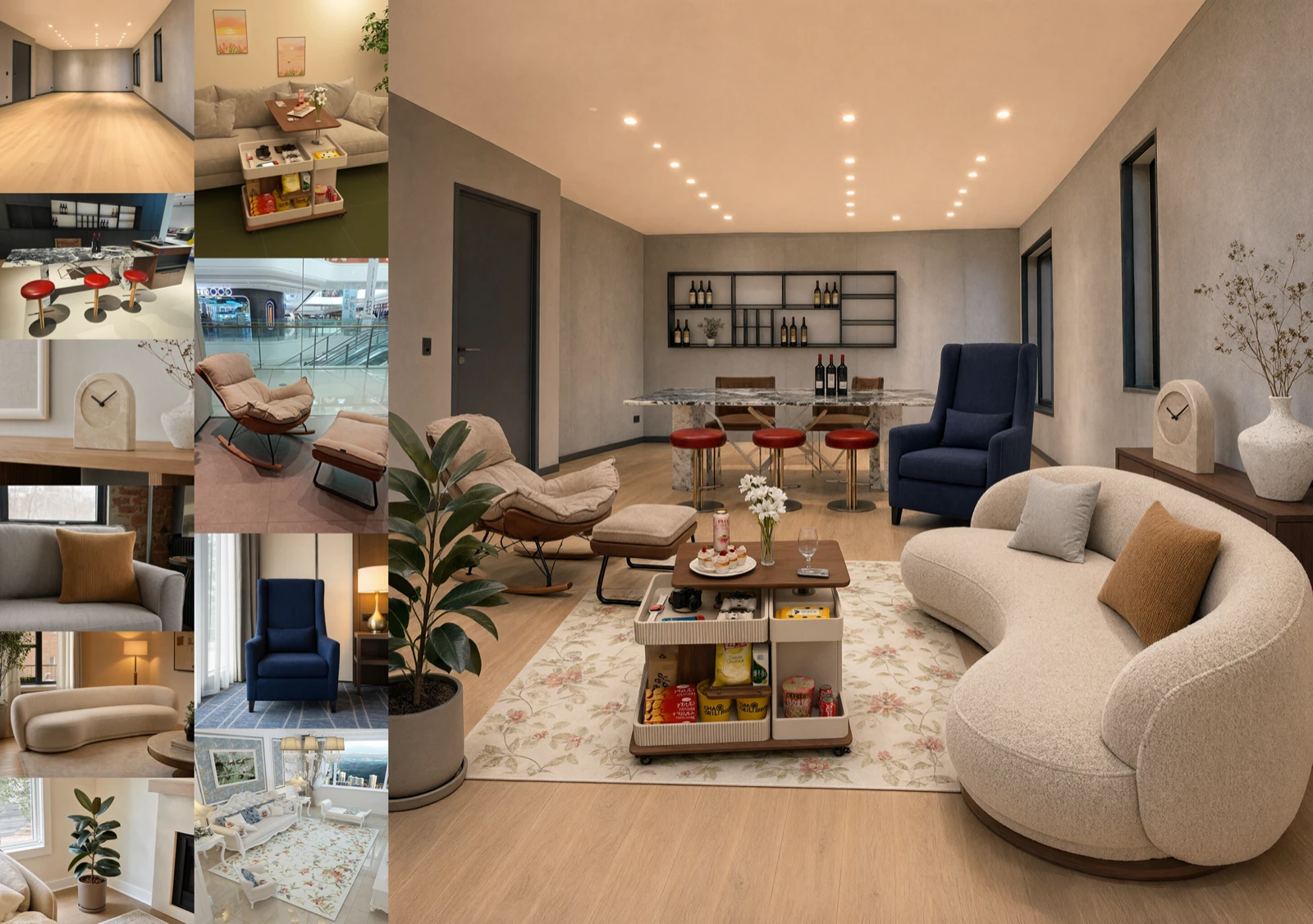
Image: an interior generated from ten furnishing references.
Local editing offers three ways to point at a region. Colored circles can tag multiple regions in a single instruction — "remove the metal watch in the blue circle, change the hair in the red circle to black, replace the green-circled area with gray linen pajamas":
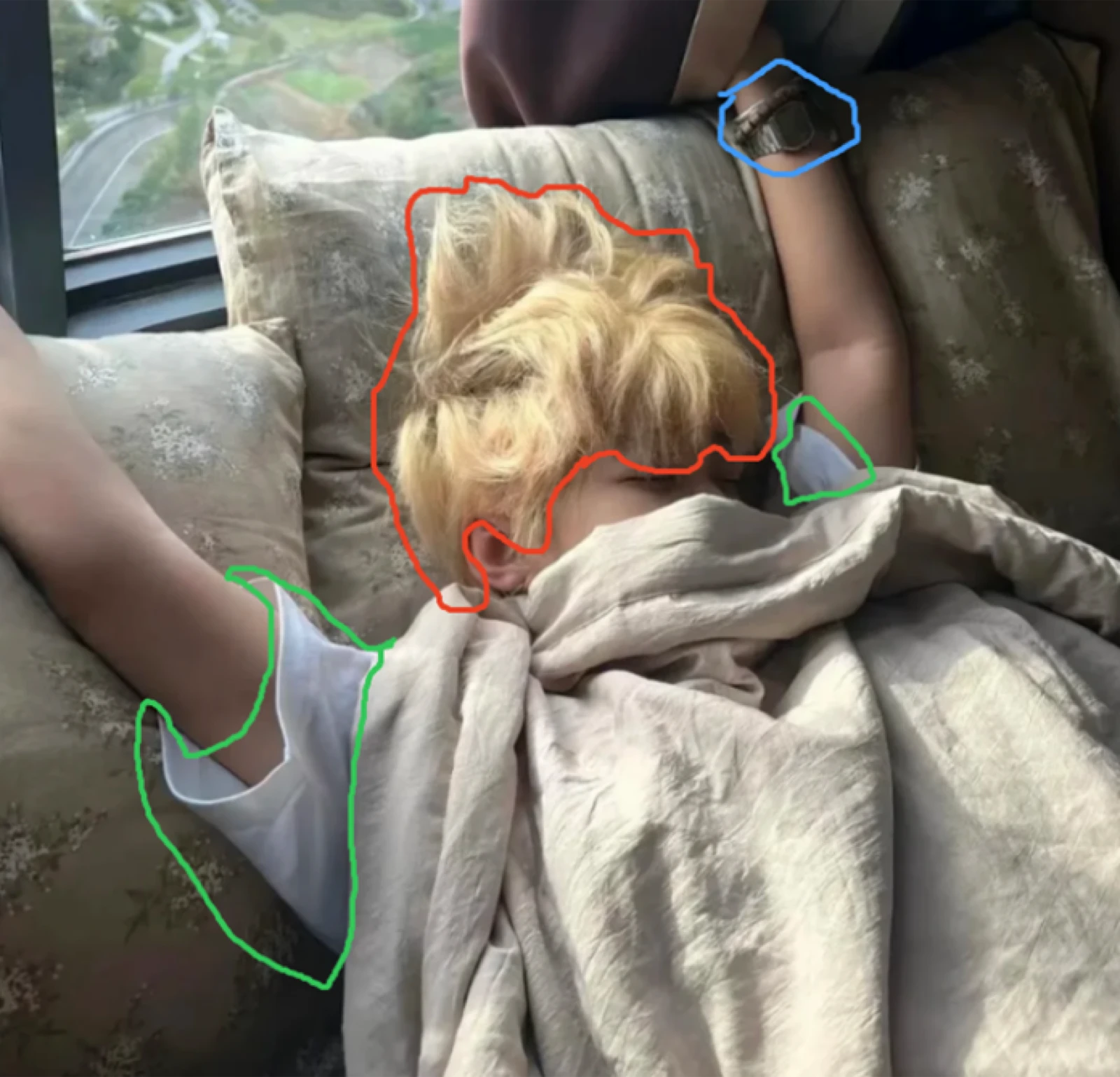
Image: circle-guided editing — annotated input left, result right.
Painted marks work the same way (the blog adds a diver to a white-marked patch of ocean). And when you don't want annotations obscuring the source, the model accepts the original image plus a separate mask as two inputs, editing only the masked region:
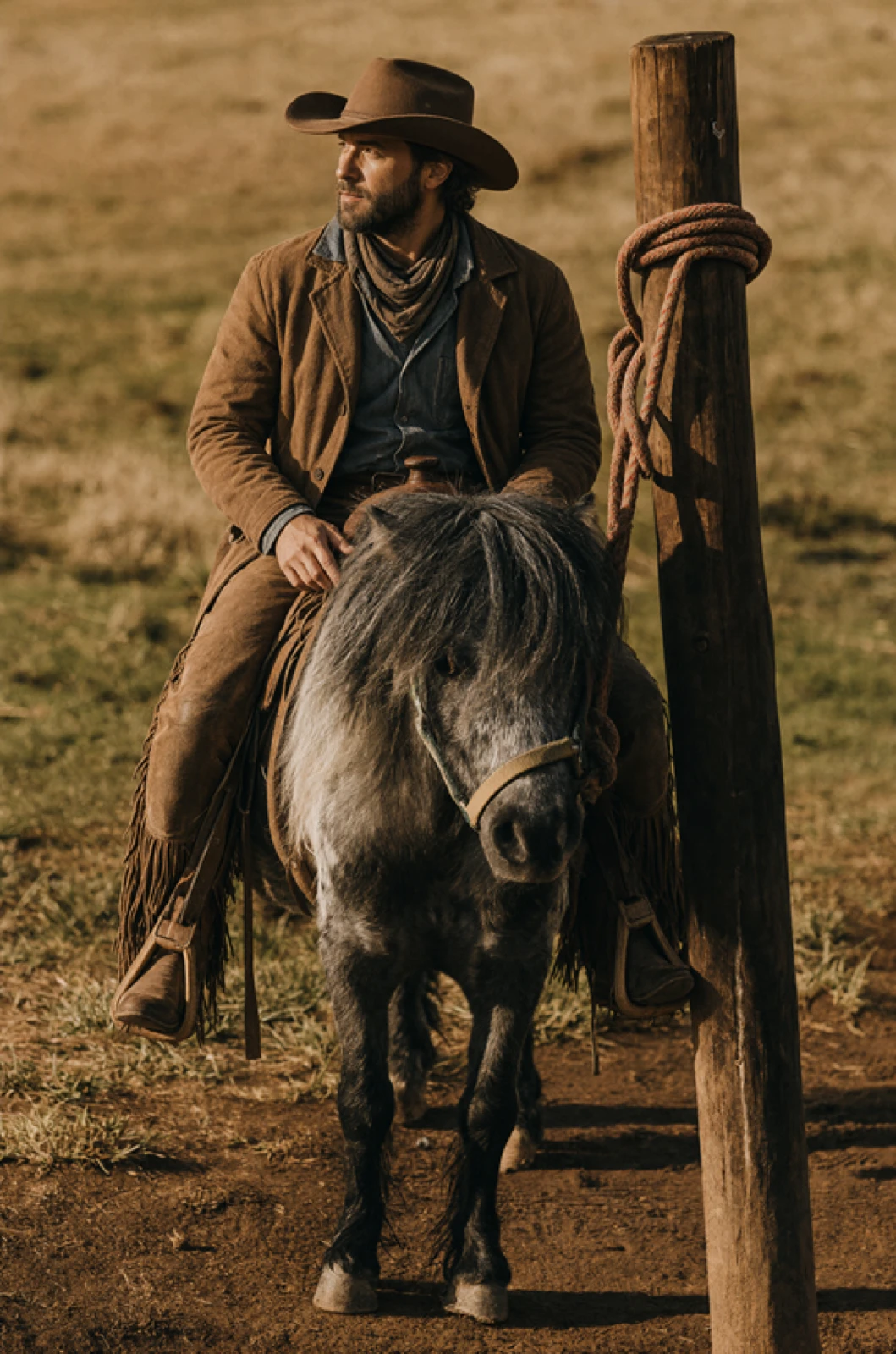
Image: mask-guided result — a cowboy on horseback, generated only inside the mask.
Fidelity gets specific attention: portrait identity (facial features stay consistent across edits) and product consistency (text, textures, and shape preserved when placing products in new scenes) — the two features that matter most for e-commerce workflows. Task coverage stretches from panoramas generated from a single selfie, to expanding a product photo into a full infographic, to turning a three-view character sheet into a complete storyboard:
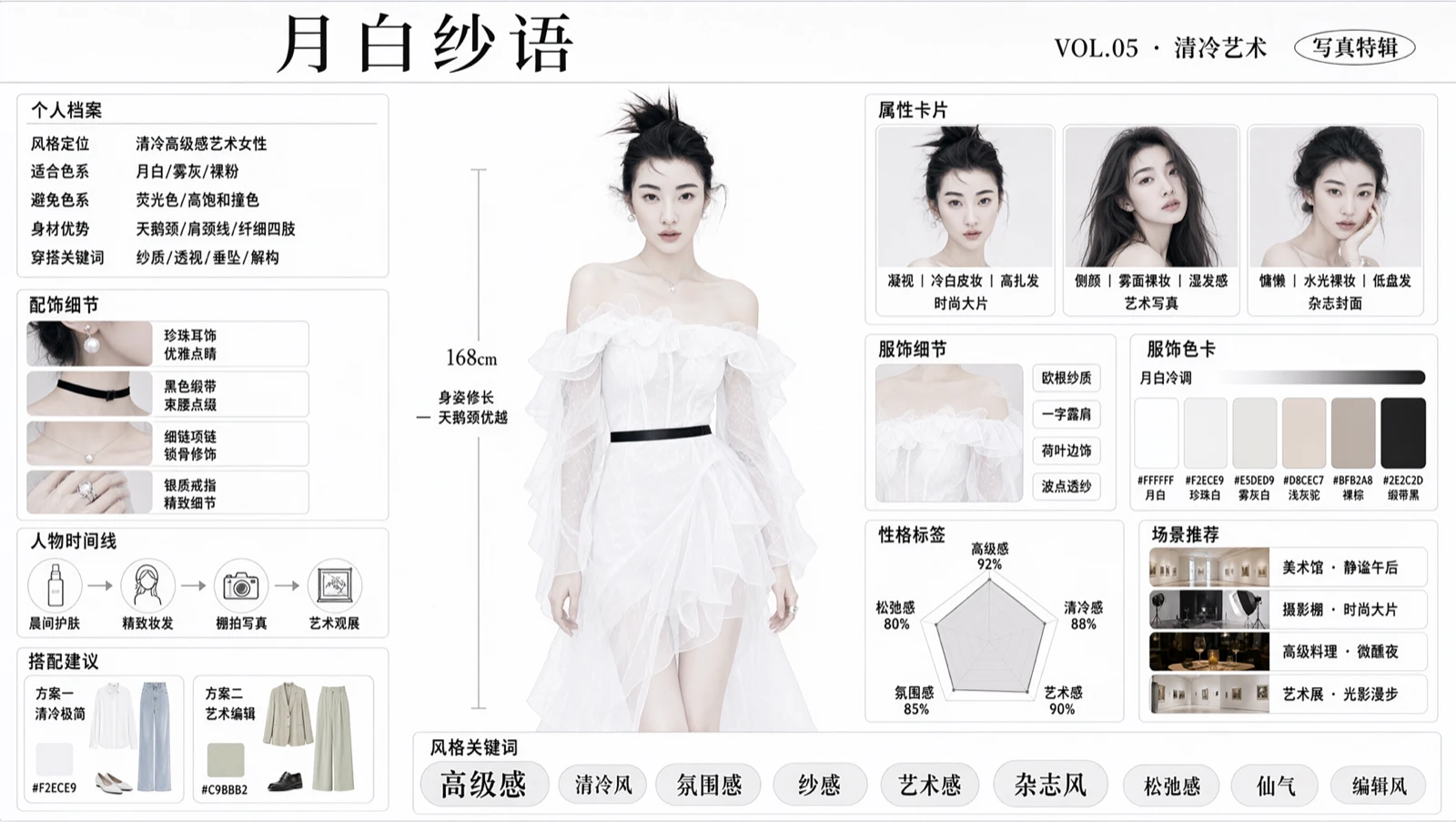
Image: an infographic generated from one product photograph.
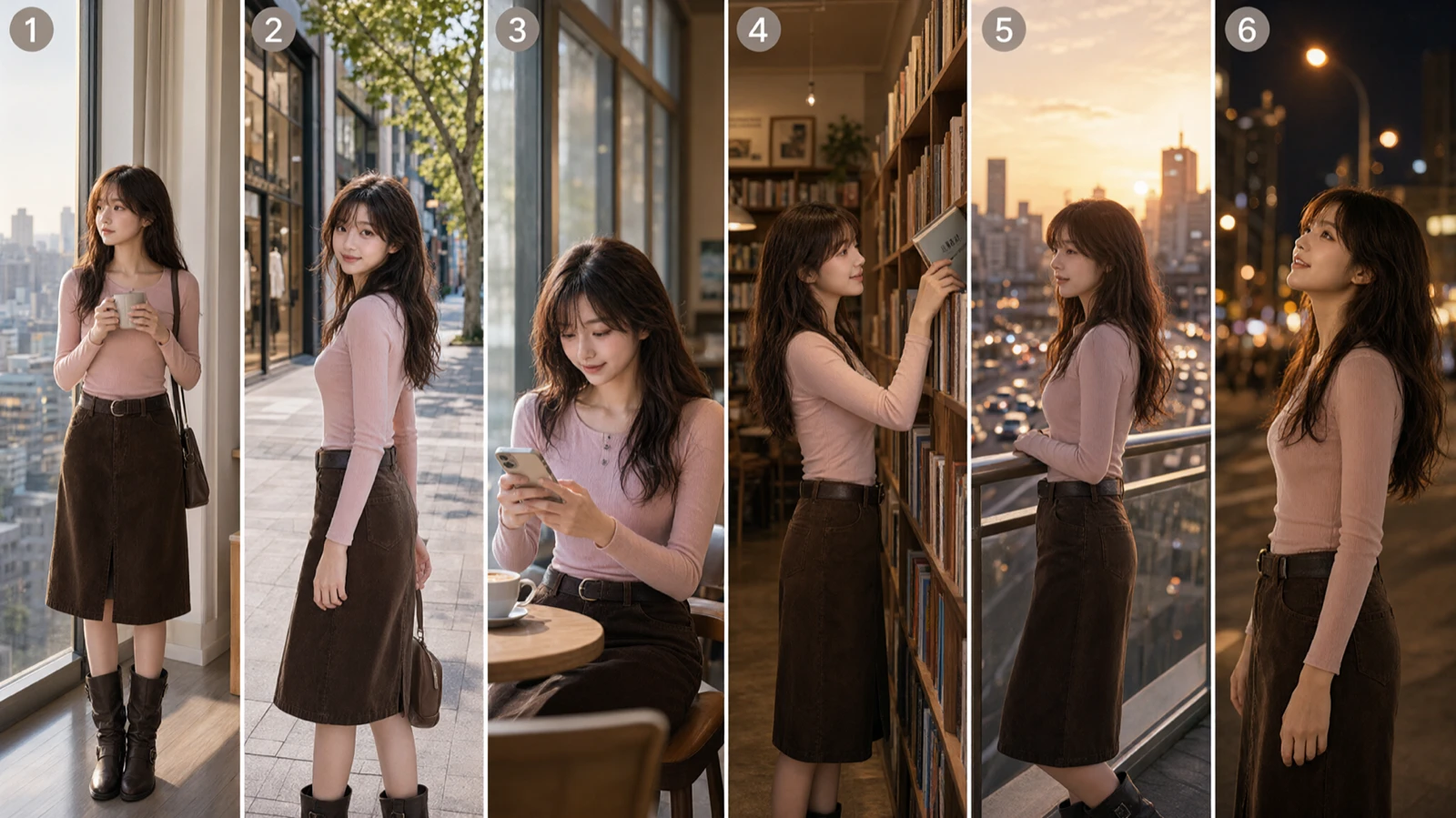
Image: a storyboard generated from a three-view character reference.
Better pixels at native 2K
Aesthetics work focuses on typography and portraits. Text rendering now considers type style, layout, and the relationship between text and composition — not just spelling — which is where Qwen-Image has historically differentiated itself:
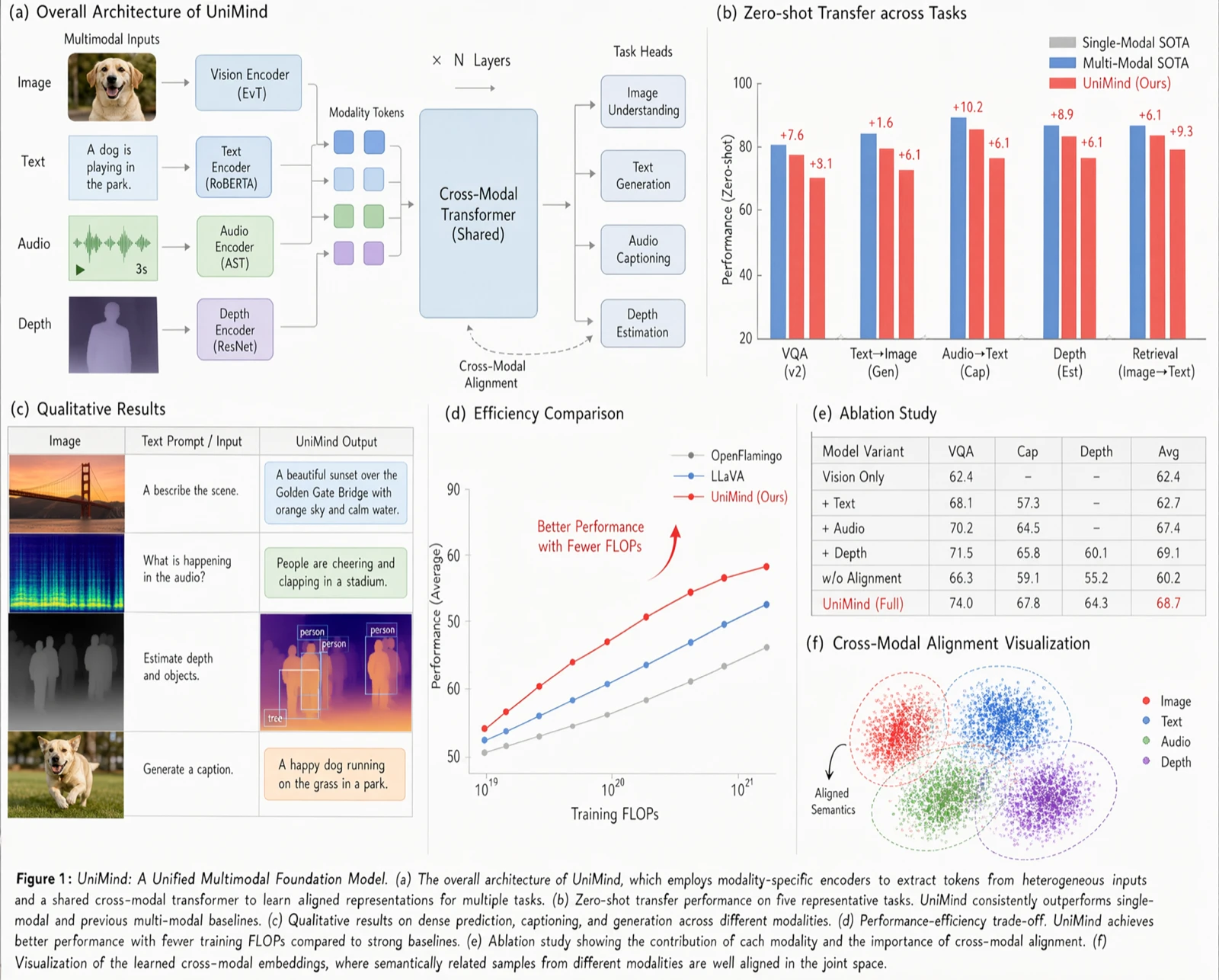
Image: text rendering across different settings.
Portrait output gets improved lighting and fine detail:
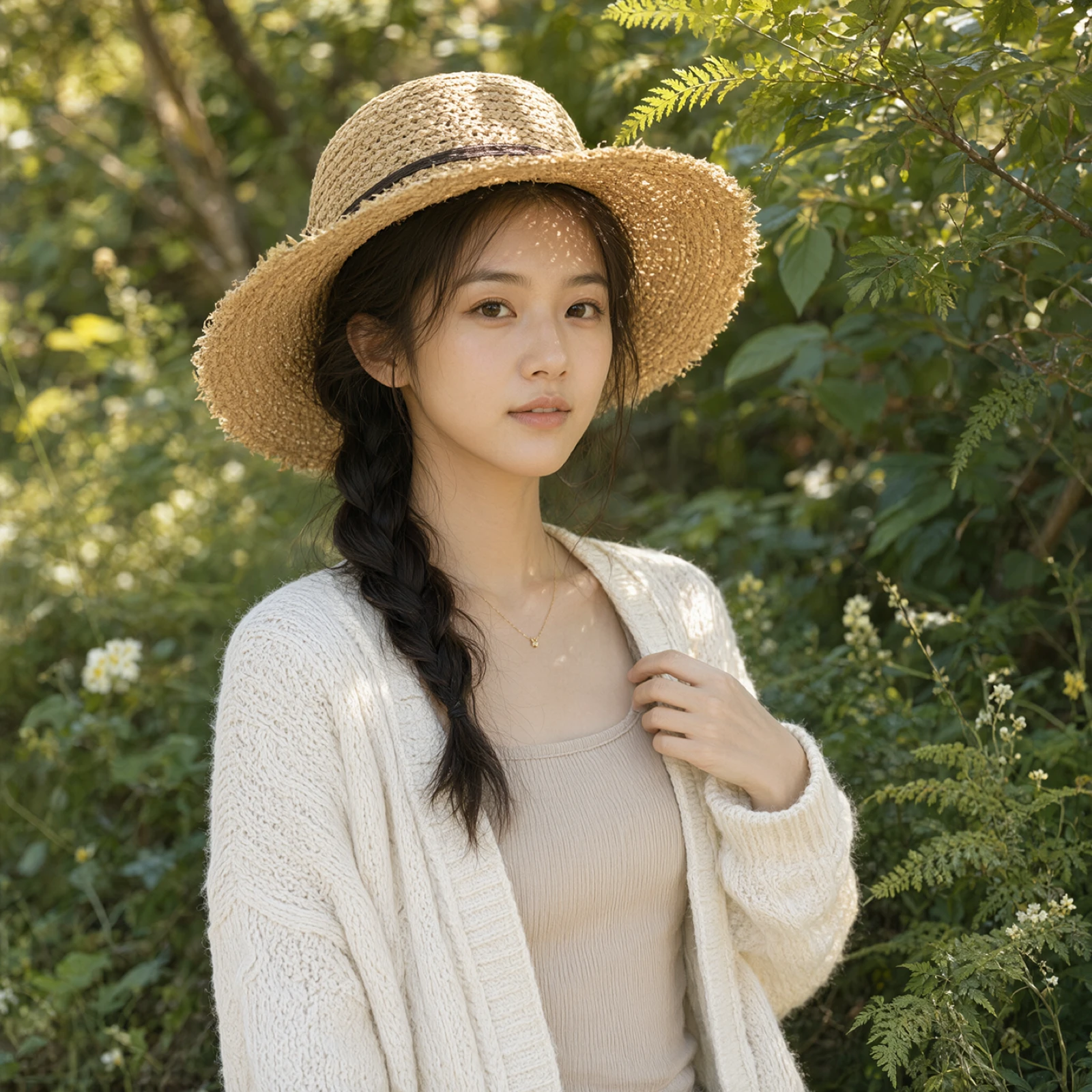
Image: portrait lighting and detail quality.
Output is native 2K across aspect ratios from 1:1 (2048×2048) to 16:9 (2752×1536) and 9:16 (1536×2752), with roughly 40 inference steps as the default. Two Qwen3.5-VL 9B fine-tunes — PE-T2I and PE-I2I — are provided as prompt rewriters, expanding short prompts into detailed ones and choosing the aspect ratio for you.
The catch: the license
Qwen-Image-2.1 ships under the Qwen Research License Agreement, which permits research use but bars commercial use — businesses need to apply to Qwen for a commercial license. For a model pitched at e-commerce and design workflows, that is the detail to check before building on it. Free playgrounds are available in Qwen Chat and, in mainland China, on wuli.art.
Resources
- Official blog: https://qwen.ai/blog?id=qwen-image-2.1
- GitHub: https://github.com/QwenLM/Qwen-Image-2.1
- Hugging Face: https://huggingface.co/Qwen/Qwen-Image-2.1
- ModelScope: https://modelscope.cn/models/Qwen/Qwen-Image-2.1
Leave your comment
- No comments yet.
Recommended AI Tools
Carefully selected AI tools to improve your work, study, and live efficiency.



Related Articles
A major breakthrough has been achieved in the core architecture of large-scale models! The release of Kimi Linear marks the first time that linear attention technology has comprehensively surpassed and significantly outperformed the traditional Transformer full-attention model in both performance and efficiency. This "win-win" achievement is expected to significantly reduce the computational barriers and costs for long text processing, complex reasoning, and AI agent applications, potentially changing the competitive landscape of underlying technologies for large-scale models.
Over the past week, the AI community's attention has been drawn to a mysterious model that quietly emerged on the OpenRouter platform—Polaris Alpha. As a direct continuation of yesterday's discussion of the GPT-5.1 leak, this suddenly appearing model brings more technical details and strategic signals worthy of in-depth exploration.
Alibaba open-sources Qwen-Image-2.1: a 7B unified image model with native RGBA transparency and 10-reference editing.