From Raw Footage to Final Video: How AI Is Simplifying Post-Production
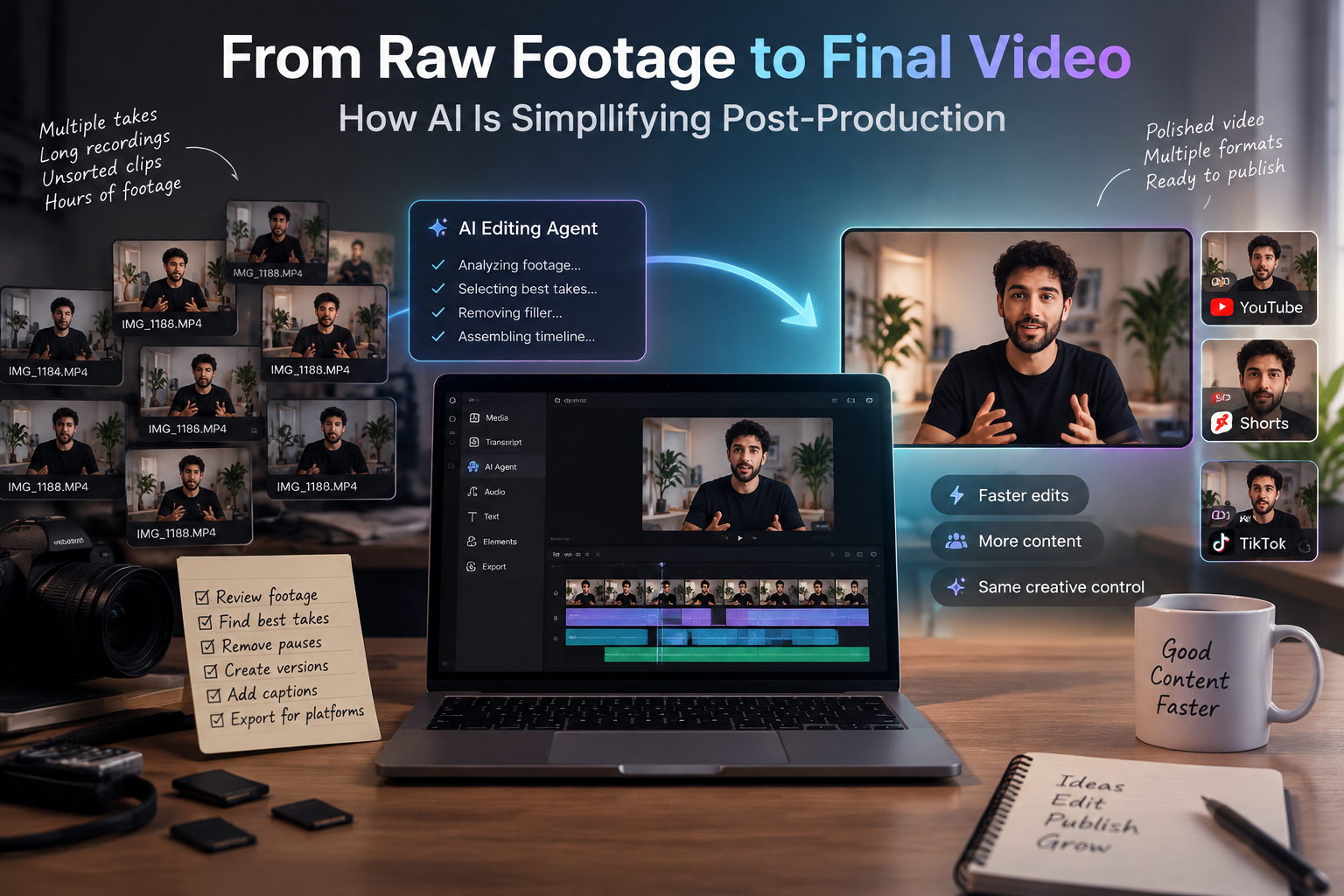
Creating a video is no longer limited by access to cameras, editing software, or production teams. AI video generation tools have made it easier than ever to create visuals from simple ideas, but a major challenge still remains after recording or generating content: post-production.
For creators, marketers, and production teams, editing often takes more time than the actual filming process. Reviewing hours of footage, finding the best takes, removing unnecessary sections, adjusting pacing, cleaning audio, and creating multiple versions can turn a simple project into a lengthy workflow.
This is where AI is starting to change the editing process. Instead of only helping users generate content, newer AI tools are assisting with the repetitive parts of post-production, helping creators move from raw footage to a refined timeline faster.
Why does post-production remain time-consuming?
Post-production requires many small decisions that add up over time. Even a short video can involve reviewing multiple clips, comparing different takes, selecting the strongest moments, and making dozens of adjustments before the final version feels complete.
For long-form content such as podcasts, interviews, webinars, and YouTube videos, the challenge becomes even bigger. Editors may need to go through hours of footage to find key moments, remove pauses, fix mistakes, and create a narrative structure that keeps viewers engaged.
The creative decisions behind editing still require human judgment, but much of the work surrounding those decisions is repetitive. Tasks like organizing footage, searching for specific moments, trimming unwanted sections, and preparing multiple versions often consume a large portion of an editor’s time.
AI is helping address this gap by taking over some of the operational work while allowing creators to focus more on storytelling and creative direction.
What are the biggest editing bottlenecks creators face?
Most video editing challenges come from managing large amounts of content rather than the actual editing tools themselves.
Some common bottlenecks include:
Reviewing and organizing footage
Editors often spend hours watching footage before they can even begin building a timeline. This is especially challenging for interviews, events, and multi-camera recordings where there may be several versions of the same moment.
Finding the right clip usually requires manually searching through files, remembering timestamps, and comparing different takes.
Selecting the best takes
When creators record multiple versions of the same scene or dialogue, choosing the strongest take can take significant time. Editors need to consider factors such as delivery, clarity, expressions, timing, and overall quality.
Creating different versions for different platforms
A single piece of content often needs to become multiple assets. A long YouTube video may need short clips for social platforms, teaser videos, highlights, and promotional content.
Creating these variations manually requires additional editing time, even when the core content already exists.
Maintaining consistency
Professional editing also involves keeping visual style, pacing, audio quality, and storytelling consistent throughout a project. These details require attention, especially for brands producing content at scale.
How is AI changing the way editors work with raw footage?
AI-powered editing tools are moving beyond simple automation features. Instead of only applying effects or generating clips, modern AI workflows can help understand footage and assist with the early stages of editing.
AI can analyze uploaded videos to identify elements such as:
- Spoken dialogue and important moments
- Different speakers in interviews
- Scenes and visual changes
- Repeated sections or unnecessary footage
- Potential highlights for short-form content
This allows creators to search and organize footage using descriptions instead of manually scanning every file.
For example, instead of searching through hours of recordings, a creator may be able to find moments by describing what they need, such as a specific topic discussed in an interview or a particular action captured in footage.
How does AI-assisted assembly help create faster first cuts?
One of the biggest changes AI brings to editing is helping create a starting point for the timeline.
A traditional editing workflow often begins with footage review, followed by manual selection and arrangement. AI-assisted assembly changes this by helping prepare a base cut from raw material.
An agentic video editor takes this approach further by using AI agents that can perform editing tasks based on creative instructions rather than only responding to individual commands. Instead of manually handling every operational step, creators can guide the workflow and refine the result.
Tools such as invideo editor are built around this idea, combining a professional editing timeline with AI editing agents. Creators can upload raw footage, provide direction for the type of edit they want, and allow the AI agents to review material, identify usable clips, remove unnecessary sections, and assemble an editable base cut.
This approach is especially useful for projects with multiple takes, interviews, podcasts, and longer recordings where the first challenge is simply getting organized footage into a workable timeline.
The goal is not to replace editors or remove creative decisions. Instead, AI helps reduce the repetitive work that happens before the creative refinement stage.
Can AI help turn long videos into social media content faster?
The demand for short-form content has made efficient repurposing an important part of modern video production.
Creators often need to transform one long recording into several smaller pieces of content. This requires identifying valuable moments, adjusting framing, adding captions, and adapting videos for different platforms.
AI can support this workflow by identifying key sections from longer videos and helping create shorter versions. For example, a podcast episode can be analyzed to find interesting discussions, strong quotes, or moments that may work well as social clips.
This makes it easier for creators to maintain a consistent publishing schedule without manually editing every version from scratch.
AI editing workflows can also help with:
- Creating platform-specific versions
- Adjusting video formats
- Adding captions and subtitles
- Improving audio quality
- Building highlight reels
For teams managing large content libraries, these capabilities can significantly reduce the time required to produce more content from existing footage.
Where do professional editors still add value?
Although AI can handle many repetitive editing tasks, professional editors remain essential for creative decision-making.
Editing is not only about cutting clips together. It involves understanding storytelling, emotion, pacing, brand identity, and audience expectations.
Human editors continue to play an important role in:
- Defining the creative direction
- Choosing the emotional tone
- Building stronger narratives
- Making final pacing decisions
- Adding artistic elements
- Ensuring the final video matches the intended message
AI works best as a creative partner that handles time-consuming tasks while giving editors more space to focus on higher-level decisions.
What does the future of AI-powered post-production look like?
The future of video editing is likely to combine human creativity with AI-assisted workflows. Instead of replacing traditional editing software, AI is becoming another layer that helps creators work faster and manage more complex projects.
As AI becomes better at understanding video content, editing workflows will become more conversational and collaborative. Creators will be able to describe the outcome they want, review AI-generated edits, and make adjustments through a combination of natural language instructions and timeline control.
For creators producing more content across multiple platforms, this shift can make professional-level editing more accessible.
AI will not remove the need for creative professionals. Instead, it will help them spend less time on repetitive tasks and more time shaping ideas into engaging stories.
Conclusion
Post-production has always been one of the most time-intensive parts of video creation. From organizing footage to creating multiple versions, editors spend significant time handling tasks that require precision but often repeat from project to project.
AI is changing this process by helping creators understand footage, build initial edits, and speed up production workflows. With AI-assisted assembly and agent-based editing becoming more common, creators can move from raw footage to finished videos with fewer manual steps.
The future of editing is not about giving up creative control. It is about combining human storytelling skills with AI tools that make the production process faster, more flexible, and easier to manage.
Leave your comment
- No comments yet.
Recommended AI Tools
Carefully selected AI tools to improve your work, study, and live efficiency.

Related Articles
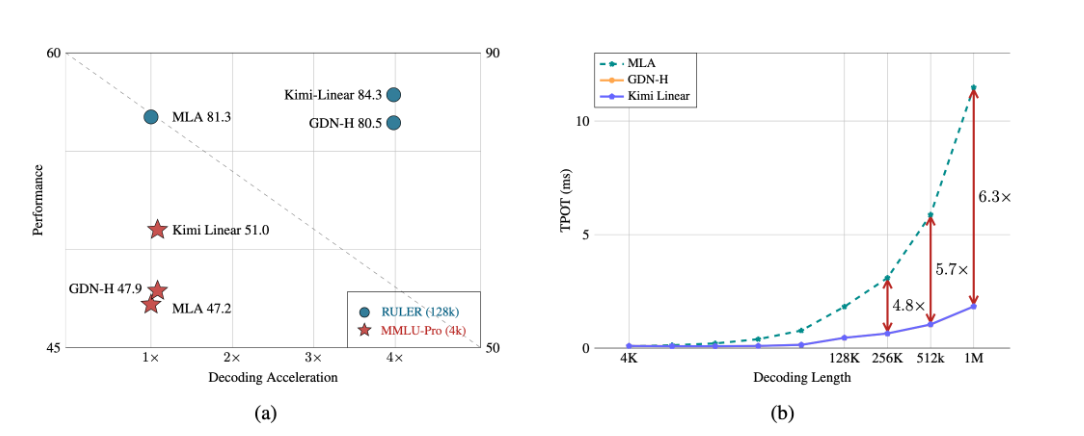
A major breakthrough has been achieved in the core architecture of large-scale models! The release of Kimi Linear marks the first time that linear attention technology has comprehensively surpassed and significantly outperformed the traditional Transformer full-attention model in both performance and efficiency. This "win-win" achievement is expected to significantly reduce the computational barriers and costs for long text processing, complex reasoning, and AI agent applications, potentially changing the competitive landscape of underlying technologies for large-scale models.
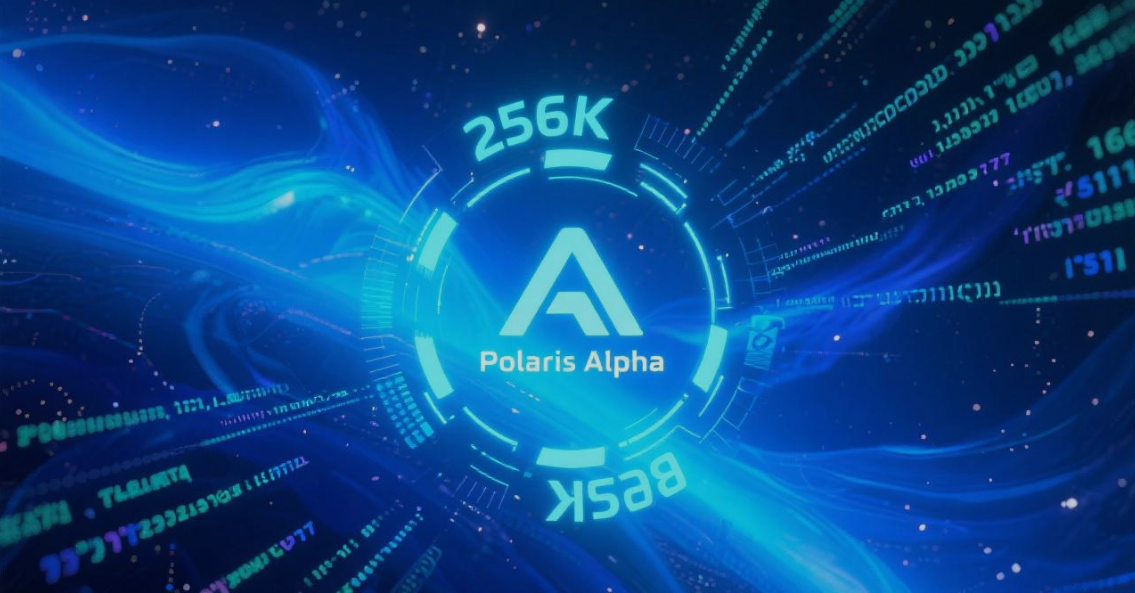
Over the past week, the AI community's attention has been drawn to a mysterious model that quietly emerged on the OpenRouter platform—Polaris Alpha. As a direct continuation of yesterday's discussion of the GPT-5.1 leak, this suddenly appearing model brings more technical details and strategic signals worthy of in-depth exploration.
Alibaba open-sources Qwen-Image-2.1: a 7B unified image model with native RGBA transparency and 10-reference editing.