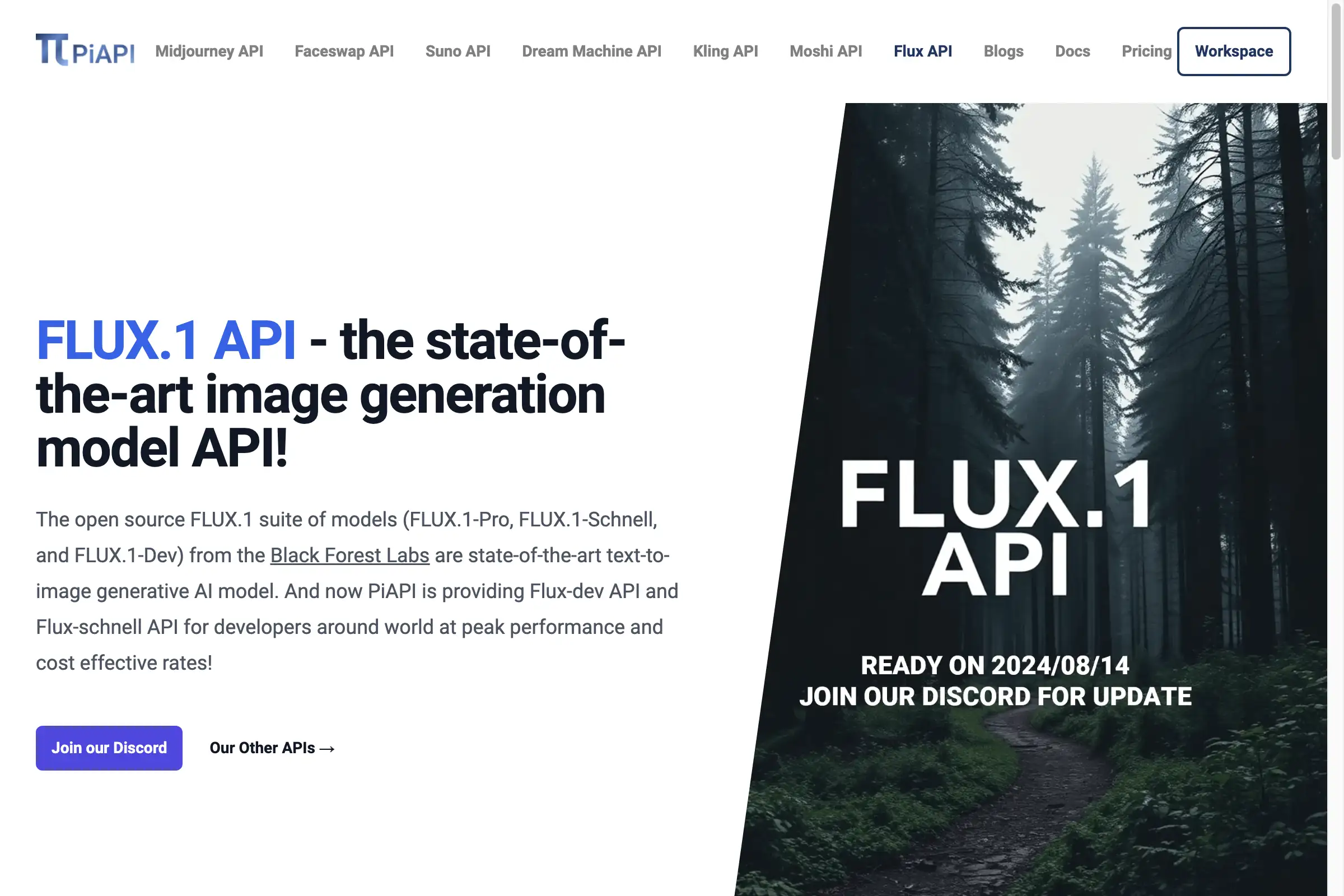
SoftBank and OpenAI have joined forces to launch the enterprise-grade AI solution "Crystal Intelligence".
I. Background and Strategic Significance of the Cooperation
1. A Joint Venture Structure with Complementary Resources
SB OAI Japan is jointly owned by SoftBank and OpenAI, each holding 50% of the shares. It combines OpenAI's technological advantages in general AI models (such as the GPT series) with SoftBank's channels, policies, and industry experience in the Japanese market. SoftBank has committed to investing $3 billion annually in technology deployment, with its subsidiaries such as LY Corp and PayPay becoming the first users, providing real-world validation for solution implementation.
2. A Key Strategic Move in the Japanese AI Market
Japanese companies have a significantly lower rate of generative AI application (46.8%) than China and the US (both exceeding 80%), indicating a huge market potential. Masayoshi Son pointed out that Japan "cannot afford to miss the AI revolution again." This cooperation aims to promote the intelligentization of Japanese industries through localized customization and synergize with the government-supported 10 trillion yen semiconductor/AI development plan.
II. Core Product "Crystal Intelligence" Features
| Functional Dimensions | Specific Capabilities | Application Value |
|---|---|---|
| Technical Foundation | Integrates the latest enterprise-level models from OpenAI (such as GPT-5), multimodal interaction, and custom GPT generation | Supports natural language processing, automated decision-making, and cross-system integration |
| Industry Adaptation | Provides vertical industry solutions for manufacturing, retail, finance, etc. | Enables production process optimization, customer service upgrades, and supply chain intelligence |
| Deployment Mode | Combines hybrid cloud and on-premises deployment, compliant with Japanese data security standards | Protects enterprise data privacy while providing flexible scalability |
III. Impact on Enterprises and Developers
1. Path to Enterprise Efficiency Improvement
"Crystal Intelligence" will cover all scenarios from office automation (such as intelligent document generation and meeting minutes) to core business systems (such as predictive maintenance and supply chain optimization). SoftBank has created 2.5 million customized GPTs internally, validating the potential of AI agents in reducing labor costs and accelerating decision-making.
2. Ecosystem Co-construction Opportunities
OpenAI will open its API to the joint venture, allowing Japanese developers to develop industry-specific applications based on its technology stack. SB OAI Japan plans to collaborate with local companies to build an AI data center, providing computing power support for ecosystem partners.
IV. Future Outlook
-
Short-term goal: After product launch in 2026, prioritize coverage of 100 million workflow automation scenarios within the SoftBank ecosystem, gradually opening up to SMEs.
-
Long-term strategy: Masayoshi Son positions this project as the "Japanese version of Stargate," aiming to propel Japan to become a global AI leader through AI infrastructure investment.
-
Action recommendations: Enterprises can proactively review their internal data governance systems and pay attention to updates to the OpenAI developer platform to quickly integrate customized solutions.
Conclusion: The joint venture between SoftBank and OpenAI marks the entry of enterprise-level AI services into a stage of deep localization. For users of the AI tools navigation site, this collaboration not only provides ready-made solutions but also reveals a dual-engine paradigm for AI implementation: "technology + market." Future competition will focus on ecosystem integration rather than breakthroughs in a single technology. Follow "Crystal Intelligence" for further updates and application cases at https://aiwith.me/.
Leave your comment
- No comments yet.
Recommended AI Tools
Carefully selected AI tools to improve your work, study, and live efficiency.


Related Articles
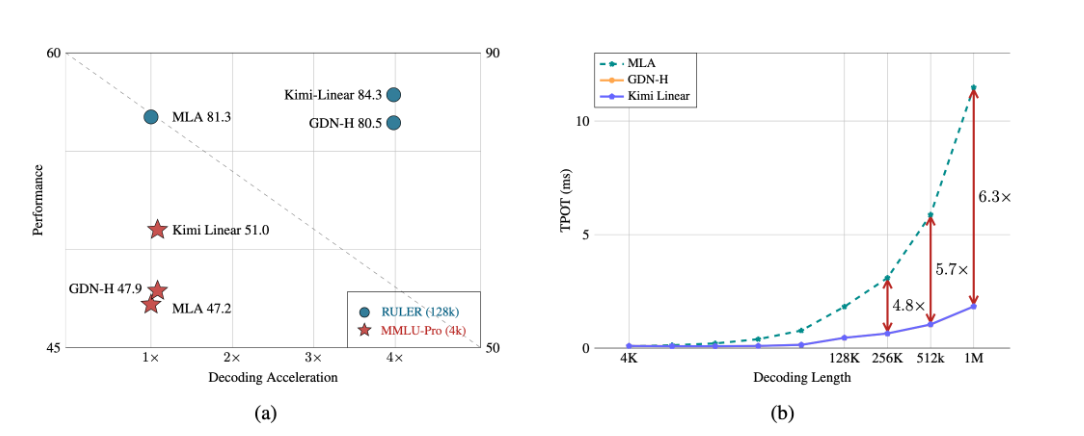
A major breakthrough has been achieved in the core architecture of large-scale models! The release of Kimi Linear marks the first time that linear attention technology has comprehensively surpassed and significantly outperformed the traditional Transformer full-attention model in both performance and efficiency. This "win-win" achievement is expected to significantly reduce the computational barriers and costs for long text processing, complex reasoning, and AI agent applications, potentially changing the competitive landscape of underlying technologies for large-scale models.
Over the past week, the AI community's attention has been drawn to a mysterious model that quietly emerged on the OpenRouter platform—Polaris Alpha. As a direct continuation of yesterday's discussion of the GPT-5.1 leak, this suddenly appearing model brings more technical details and strategic signals worthy of in-depth exploration.
Alibaba open-sources Qwen-Image-2.1: a 7B unified image model with native RGBA transparency and 10-reference editing.