How AI Voice Agents Are Changing Customer Support
Calling customer support often means waiting on hold, choosing menu options, and explaining the same problem twice. For someone who only wants a delivery update, that can feel like too much work.
Businesses are using ai voice agents to make these calls easier. With access to the right systems, these tools can answer questions, book appointments, update records, and pass calls to a person when needed.
The value comes from helping customers finish a task with less effort. But good results depend on how well the system is built and where it is used.
What Are AI Voice Agents?
AI voice agents are software tools that hold spoken conversations. They use speech recognition to turn a caller’s words into text. AI then works out the request, and voice technology speaks the reply.
Unlike a fixed phone menu, a voice agent lets customers explain what they need in their own words.
A caller might say, “I need to move my booking to Friday.” When connected to a booking system, the agent can check open slots and help make the change.
However, its abilities depend on its setup, system access, and business rules.
How AI Voice Agents Improve Customer Support
Help Outside Business Hours
Customer problems do not follow office hours. Someone may need to check an order late at night or change an appointment over the weekend.
An AI voice agent can handle supported requests when staff are unavailable. If a problem needs a person, it can collect the details for follow-up. The customer should know when to expect a response.
Faster Answers to Routine Questions
Support teams often answer the same questions throughout the day. Where is my order? Can I change my booking? How do I reset my account?
Voice agents can handle many of these requests when they have accurate information and the right access.
That gives human staff more time for cases that need research, care, or judgment. Customers with simple questions may also spend less time waiting.
More Capacity During Busy Periods
A sale, holiday rush, or service outage can cause a sudden rise in calls.
AI voice agents can help handle extra demand, depending on system capacity. Still, businesses need a backup plan. A tool that answers quickly but cannot solve the problem may only add another step.
Less Repetition
With permission to use customer records, a voice agent can check past requests and relevant account details.
For example, it may see that a customer has already reported a missing parcel. The conversation can then focus on progress rather than starting again.
Identity checks must come before sharing private account information.
Support in More Languages
Multilingual voice agents can help customers explain problems in a language they know well.
But language support needs careful testing. Accents, local phrases, background noise, and mixed languages can affect how well a system understands a caller.
Where AI Voice Agents Fit Best
Tasks with clear steps and rules are useful starting points.
| Business type | Common support tasks |
|---|---|
| Online stores | Order tracking and return questions |
| Appointment-based services | Booking, cancellations, and schedule changes |
| Software companies | Basic setup help and billing questions |
| Delivery services | Shipment updates and delivery instructions |
Consider a customer who wants to move a service visit. The agent checks available times, confirms the choice, and saves the change. If the request involves a fee dispute, it transfers the call to someone who can review it.
What Still Needs Human Support?
Complex or Emotional Problems
A customer dealing with repeated charges or a failed service may need more than a quick answer.
AI can miss frustration, misunderstand an unusual request, or apply a rule too rigidly. Human staff need to remain easy to reach.
Accuracy and Trust
A natural voice can make a wrong answer sound convincing. Voice agents need current information, clear limits, and checks before they confirm an action.
For example, an agent should confirm a booking only after the system shows that it was saved.
Businesses should also tell callers they are speaking with AI and explain how personal information is handled.
A Smooth Handoff
A transfer should move the problem forward. Human staff should receive a short summary, relevant details, and any steps already tried.
Customers should also be able to ask for a person without getting stuck in a loop.
How to Introduce AI Voice Agents Successfully
Start with one common task, such as order tracking. Define what the agent can do and when it should transfer the call.
Test real calling conditions, including interruptions, unclear speech, and unexpected questions.
Then measure:
- Whether customers complete their tasks.
- How often they call again about the same issue.
- Customer feedback.
- The quality of transfers to human staff.
Review failed calls and fix recurring problems before expanding.
Conclusion
AI voice agents can make routine support quicker and easier to access. Their success depends on accurate information, clear rules, and reliable human backup.
Start with a specific customer problem. If the tool helps people solve it with less effort, there is a sound reason to build from there.
Leave your comment
- No comments yet.
Recommended AI Tools
Carefully selected AI tools to improve your work, study, and live efficiency.





Related Articles
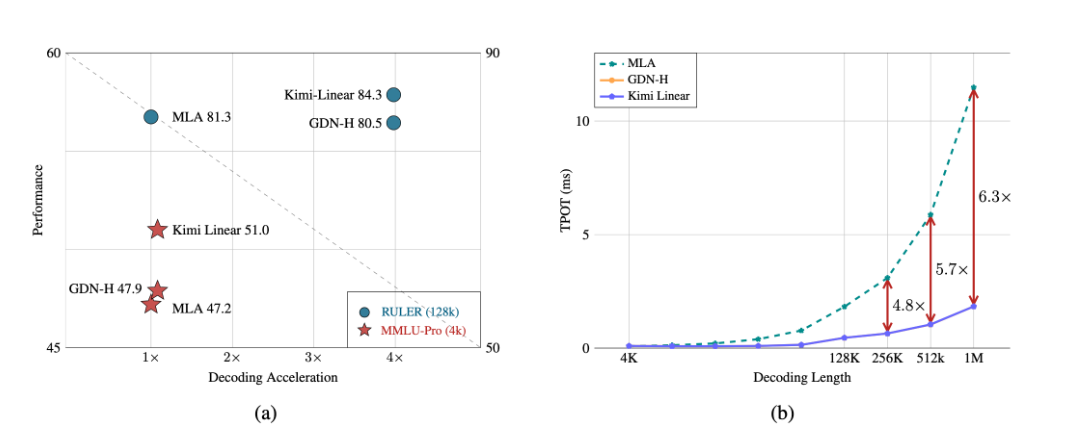
A major breakthrough has been achieved in the core architecture of large-scale models! The release of Kimi Linear marks the first time that linear attention technology has comprehensively surpassed and significantly outperformed the traditional Transformer full-attention model in both performance and efficiency. This "win-win" achievement is expected to significantly reduce the computational barriers and costs for long text processing, complex reasoning, and AI agent applications, potentially changing the competitive landscape of underlying technologies for large-scale models.

Over the past week, the AI community's attention has been drawn to a mysterious model that quietly emerged on the OpenRouter platform—Polaris Alpha. As a direct continuation of yesterday's discussion of the GPT-5.1 leak, this suddenly appearing model brings more technical details and strategic signals worthy of in-depth exploration.

Alibaba open-sources Qwen-Image-2.1: a 7B unified image model with native RGBA transparency and 10-reference editing.