Is AI Progress Driven by Compute?
When we look at the explosive progress of artificial intelligence over the last decade—particularly the breakthroughs in large language models (LLMs) and multi-modal AI systems—a common question arises:
Is all of this simply due to more compute?
The short answer: Compute is necessary, but not sufficient. Let’s unpack this by looking at the three core forces behind AI’s progress.
1. Compute: The Engine Room of Modern AI
Compute is the infrastructure—the foundation that makes it possible to train increasingly complex and capable models.
- In 2012, AlexNet won the ImageNet competition and reignited the deep learning revolution. A big part of that success came from training on GPUs.
- From GPT-2 to GPT-4, we’ve seen a ~100x increase in training FLOPs (floating-point operations). GPT-4 reportedly consumed tens of exaflops over weeks—something unimaginable a few years ago.
Without massive compute, models like GPT-4, Claude 3.5, and Gemini would simply not exist.
2. Data: The Fuel of Machine Learning
Compute is meaningless without data. AI models need large-scale, high-quality data to learn patterns and reason about the world.
- GPT-style models are trained on huge swaths of the internet—code, books, articles, forums.
- Multi-modal models require diverse inputs: text, images, audio, video, and beyond.
As the saying goes, garbage in, garbage out. Better data = better models.
3. Algorithms: The Real Game-Changer
Data and compute are the raw materials. Algorithms are the design—they determine what’s possible with those resources.
- The introduction of the Transformer architecture in 2017 is what enabled all modern LLMs.
- Techniques like RLHF (Reinforcement Learning from Human Feedback), LoRA (Low-Rank Adaptation), and MoE (Mixture of Experts) have improved model quality and efficiency.
- Quantization, pruning, and distillation help models run faster and smaller—critical for deployment.
Often, a better algorithm can outperform raw compute.
So Where Does AI Progress Really Come From?
Let’s simplify it:
Compute is the foundation, data is the fuel, and algorithms are the engine. AI progress requires all three.
However, in the last 5 years, compute has been the key accelerator—giving us the ability to scale up everything else.
Looking Ahead
Here’s how the landscape is shifting:
| Element | Trend |
|---|---|
| Compute | Moving toward specialized chips (e.g. TPUs, NPUs), distributed training, energy optimization. |
| Data | Shift from “big data” to clean, aligned, and private data. |
| Algorithms | Efficiency, modularity, open-source innovation (e.g. Mistral, Phi, etc). |
While we still need huge compute to train frontier models, there’s also a wave of innovation focused on “small but smart” AI—running models efficiently, even on the edge.
Final Thoughts
If you’re a developer or indie hacker, here’s what matters:
- You don’t need a supercomputer to build valuable AI products.
- Focus on understanding users, leveraging open models, and solving niche problems.
- The real competitive edge lies in how you apply AI, not just how powerful your model is.
Leave your comment
- No comments yet.
Recommended AI Tools
Carefully selected AI tools to improve your work, study, and live efficiency.





Related Articles
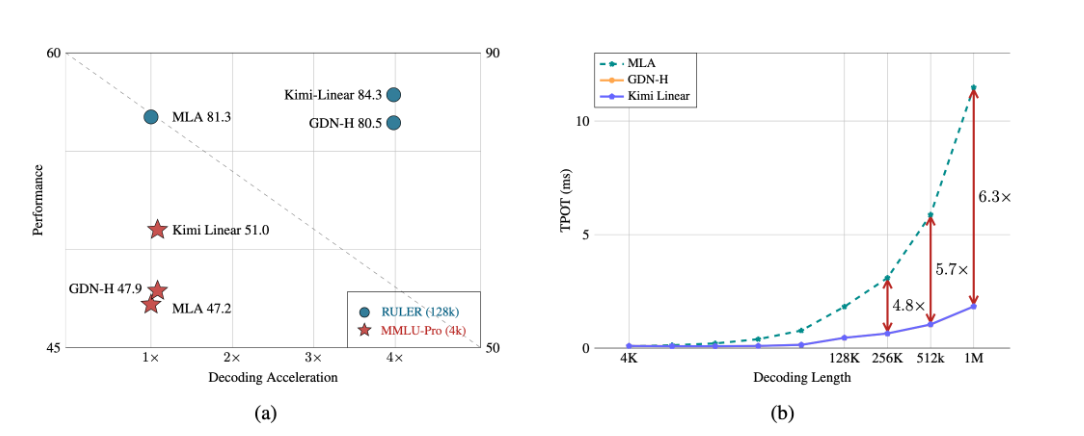
A major breakthrough has been achieved in the core architecture of large-scale models! The release of Kimi Linear marks the first time that linear attention technology has comprehensively surpassed and significantly outperformed the traditional Transformer full-attention model in both performance and efficiency. This "win-win" achievement is expected to significantly reduce the computational barriers and costs for long text processing, complex reasoning, and AI agent applications, potentially changing the competitive landscape of underlying technologies for large-scale models.

Over the past week, the AI community's attention has been drawn to a mysterious model that quietly emerged on the OpenRouter platform—Polaris Alpha. As a direct continuation of yesterday's discussion of the GPT-5.1 leak, this suddenly appearing model brings more technical details and strategic signals worthy of in-depth exploration.
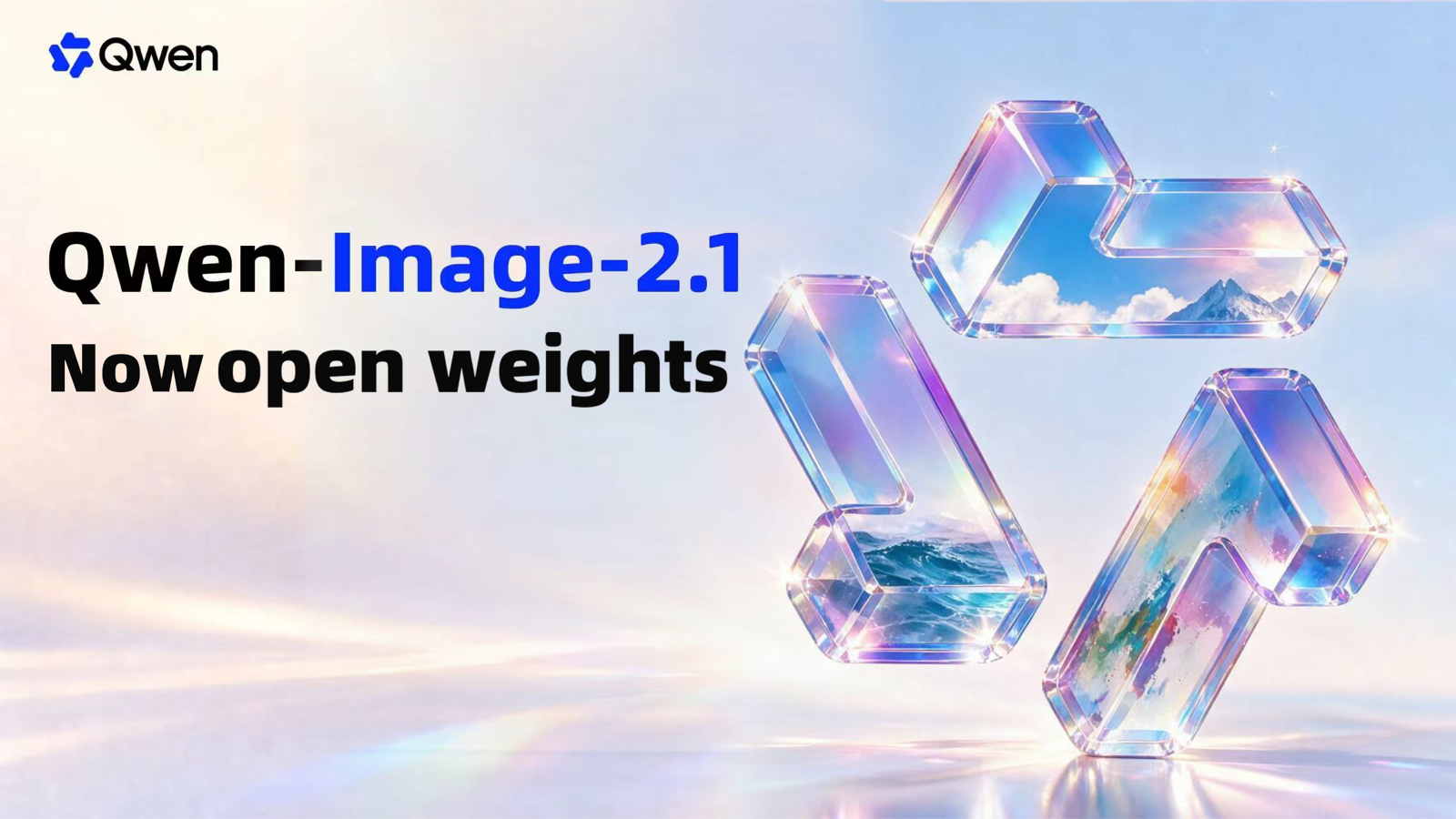
Alibaba open-sources Qwen-Image-2.1: a 7B unified image model with native RGBA transparency and 10-reference editing.