Kling AI Video 3.0: Photorealistic Short Drama Generation? In-depth Analysis with 20+ Prompt Tests
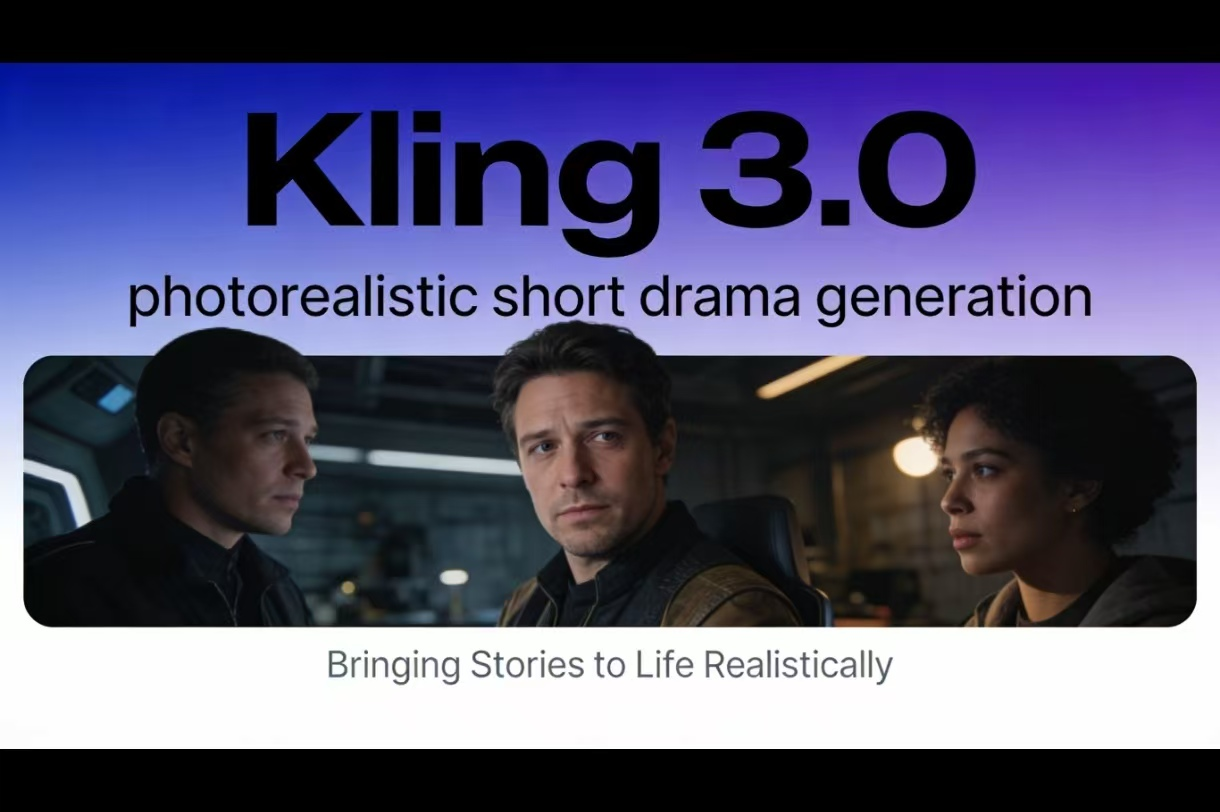
The upgrade of Kling 3.0 marks a leap forward in the AI video field. Its three core capabilities—AI Director System, Native Audio-Visual Synchronization, and Visual Chain of Thought (vCoT)—transform AI video generation from fragmented motion graphics into structured, narrative short videos ready for direct editing. We completed over 20 prompt tests with an internal beta account to deeply analyze its technological breakthroughs and core strengths.
I. Kling 3.0 Core Technical Architecture: Hybrid Model Fusion + Exclusive Omni One Architecture
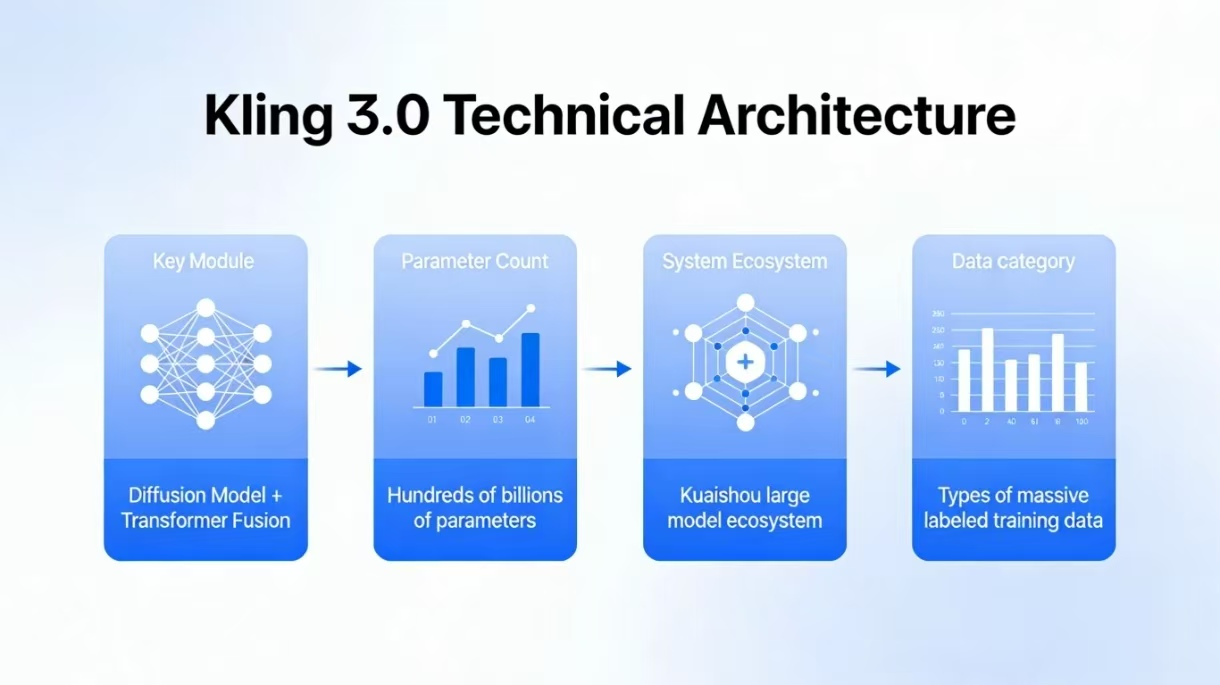
Kling 3.0 is built on the in-depth integration of Diffusion Model and Transformer, boasting a tens-of-billions parameter model. Its training data covers diverse scenarios such as physical simulation and multi-shot film editing. Unlike Sora's pure Transformer architecture, it prioritizes the dual optimization of generation efficiency and visual consistency, forging differentiated technical advantages with its proprietary Omni One architecture.
3D Spatiotemporal Joint Attention Mechanism: Eliminating Visual Drift, Enhancing Motion Consistency
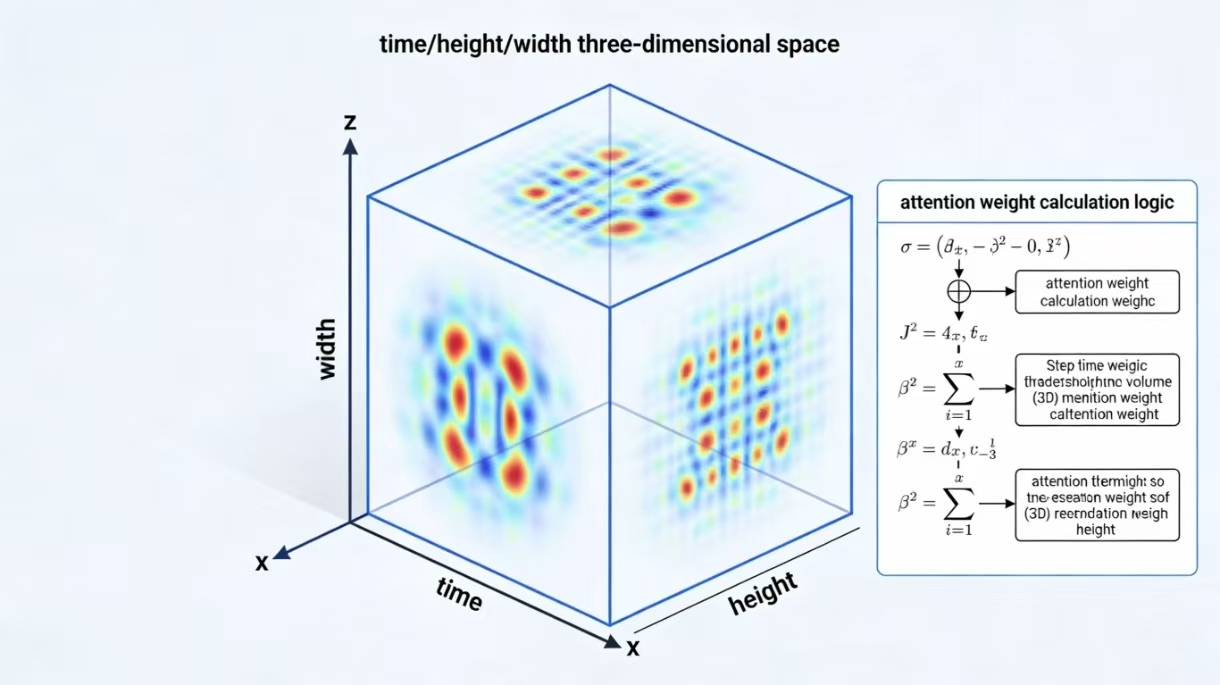
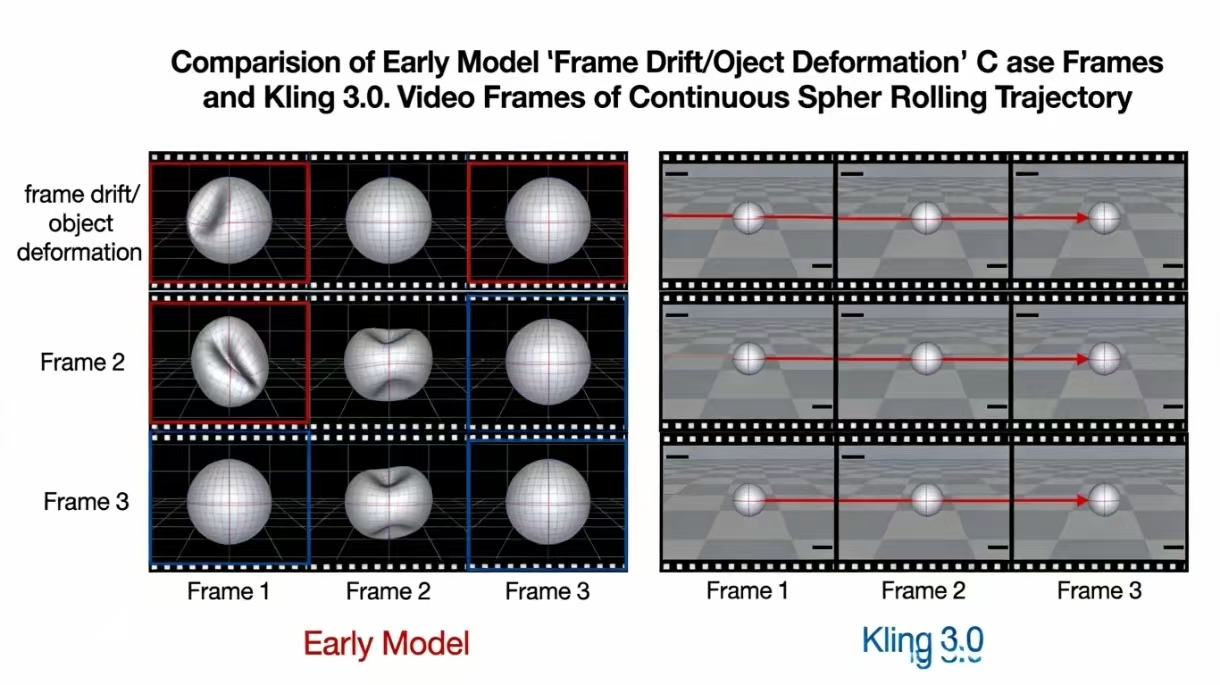
As the core of the Omni One architecture, this mechanism evolves from the Spatiotemporal Transformer. It calculates attention weights in the 3D space of time, height and width to accurately restore the physical motion trajectories of objects, completely solving the long-standing "visual drift" issue in early AI video generation. User tests show a 30%-50% improvement in visual consistency of generated videos, with an industry-leading level of physical motion restoration.
AI Director System: Unlocking Director-Grade Camera Control & Professional Narrative
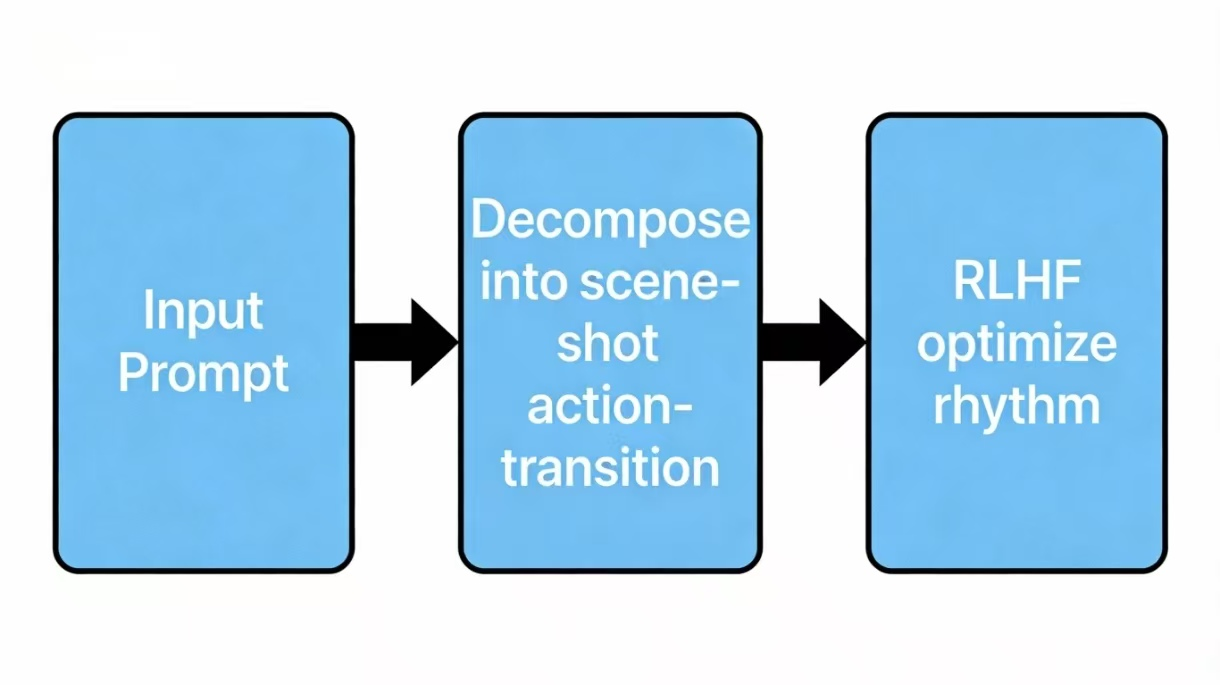
Equipped with a built-in professional script parser, it decomposes prompts into a standardized scene-shot-action-transition sequence, enabling professional transitions like reverse-angle shooting and fade in/fade out, and optimizes narrative rhythm via RLHF. It also supports custom shot libraries, making it easy to create personalized professional shots such as Hitchcock-style suspense frames, empowering ordinary creators with professional shot-based creation capabilities.
Native Audio-Visual Synchronization: End-to-End Generation, Cutting 80% of Post-Production Work
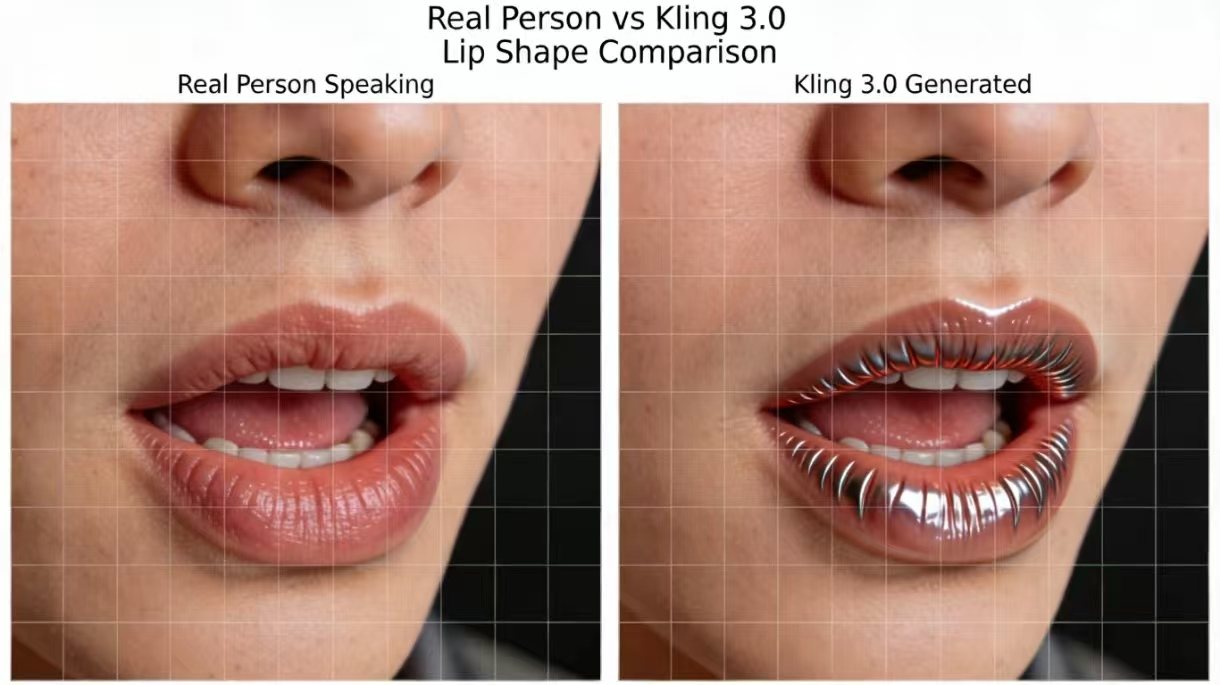
Integrating advanced TTS and Lip Sync technologies, it achieves real-time audio-visual matching based on an optimized Wav2Lip-like module, with a Chinese lip sync accuracy of over 95% and multi-language support. Upload a 3-8 second reference video, and lock character features via Face ID for personalized generation. A single generation pass synchronizes dubbing, sound effects and background music, drastically reducing post-production costs.
Visual Chain of Thought (vCoT): Simulating Professional Creation, Delivering Cinema-Grade Quality
Combined with Chain-of-Thought reasoning, the AI accurately analyzes visual elements such as perspective, light and shadow, and physical constraints in prompts before rendering, greatly reducing visual distortion rates. It natively supports 1080p HD output, and unlocks professional 4K and 16-bit HDR quality, with visual effects comparable to professional photography.

Kling 3.0 enables lightweight and efficient operation: generating a 15-second high-quality video takes only 2-8 minutes on low-cost hardware, and the upcoming Draft Mode will boost generation speed by 20x. Unlike Sora, which relies heavily on high computing power, Kling 3.0 offers stronger practicality. What’s more, all generated videos come with full commercial copyright, ready for direct use in advertising, film production, e-commerce and other commercial scenarios.
Kling 3.0 features a fully optimized operational system with a 7-in-1 Multi-Modal Editor, enabling one-stop video editing such as object addition, background replacement and style restyling. It delivers outstanding results in multi-shot narrative and character motion generation, and offers flexible subscription plans tailored to the needs of individual creators, teams and professional studios.

Kling 3.0 is now available for experience. Creators in fields such as social media, e-commerce and film production can greatly improve their creation efficiency with it. Visit Kling 3.0 AI Video Generator, Try Kling 3.0 AI Instantly, and turn your ideas into cinema-grade video works in no time.
Leave your comment
- No comments yet.
Recommended AI Tools
Carefully selected AI tools to improve your work, study, and live efficiency.

Related Articles
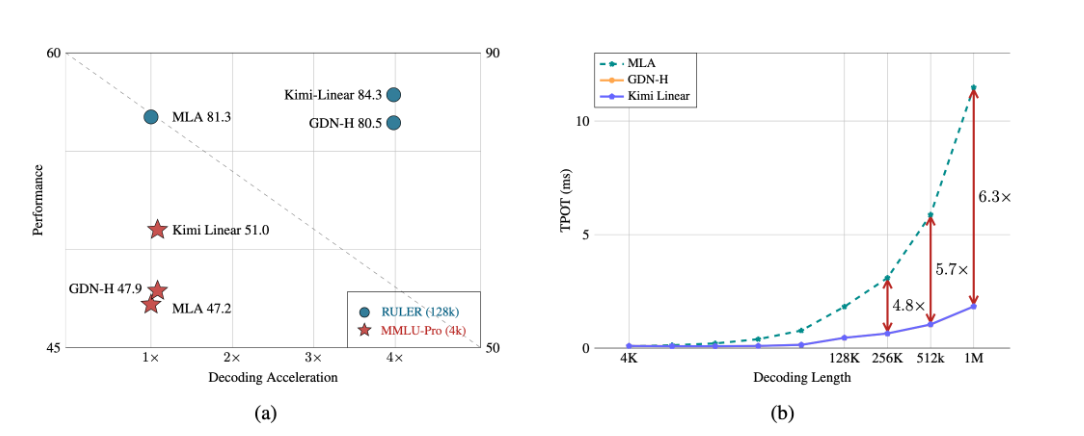
A major breakthrough has been achieved in the core architecture of large-scale models! The release of Kimi Linear marks the first time that linear attention technology has comprehensively surpassed and significantly outperformed the traditional Transformer full-attention model in both performance and efficiency. This "win-win" achievement is expected to significantly reduce the computational barriers and costs for long text processing, complex reasoning, and AI agent applications, potentially changing the competitive landscape of underlying technologies for large-scale models.
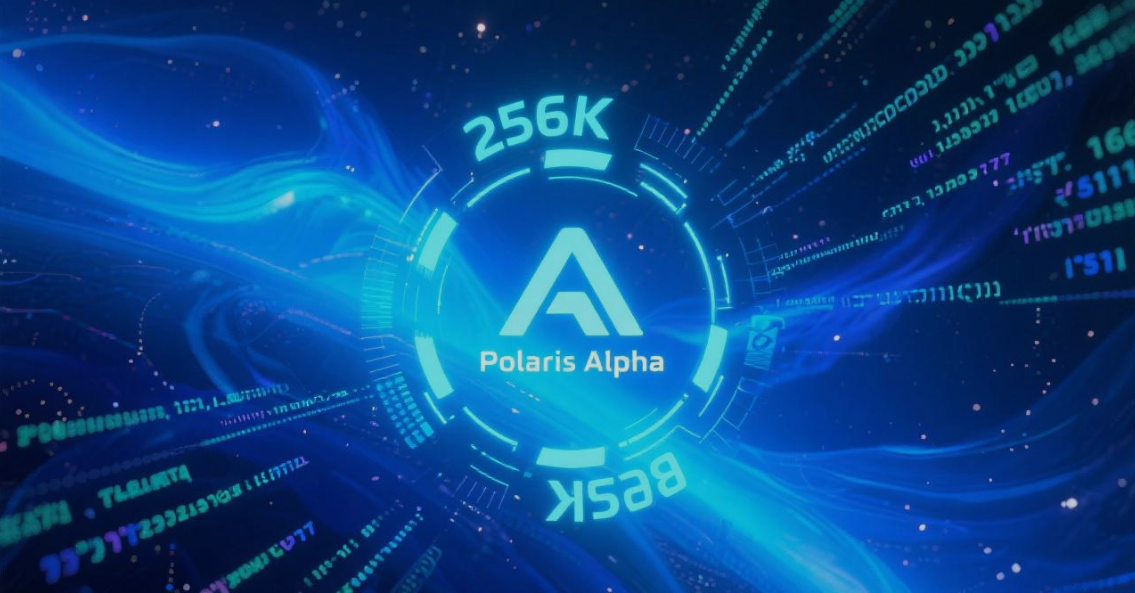
Over the past week, the AI community's attention has been drawn to a mysterious model that quietly emerged on the OpenRouter platform—Polaris Alpha. As a direct continuation of yesterday's discussion of the GPT-5.1 leak, this suddenly appearing model brings more technical details and strategic signals worthy of in-depth exploration.
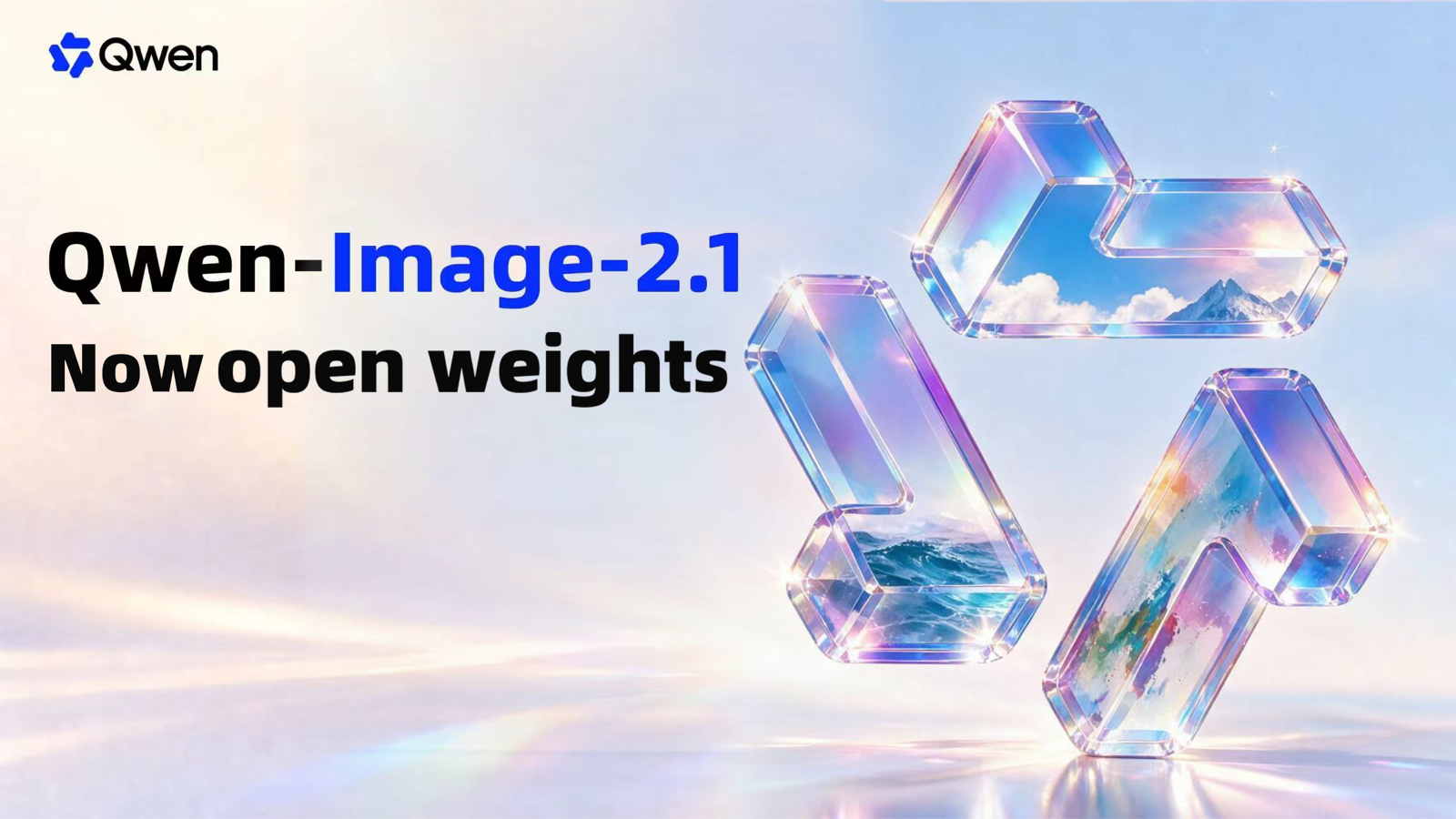
Alibaba open-sources Qwen-Image-2.1: a 7B unified image model with native RGBA transparency and 10-reference editing.