Manus Joins Meta: A Strategic Alliance Ushering in the Next Era of AI Innovation
Introduction
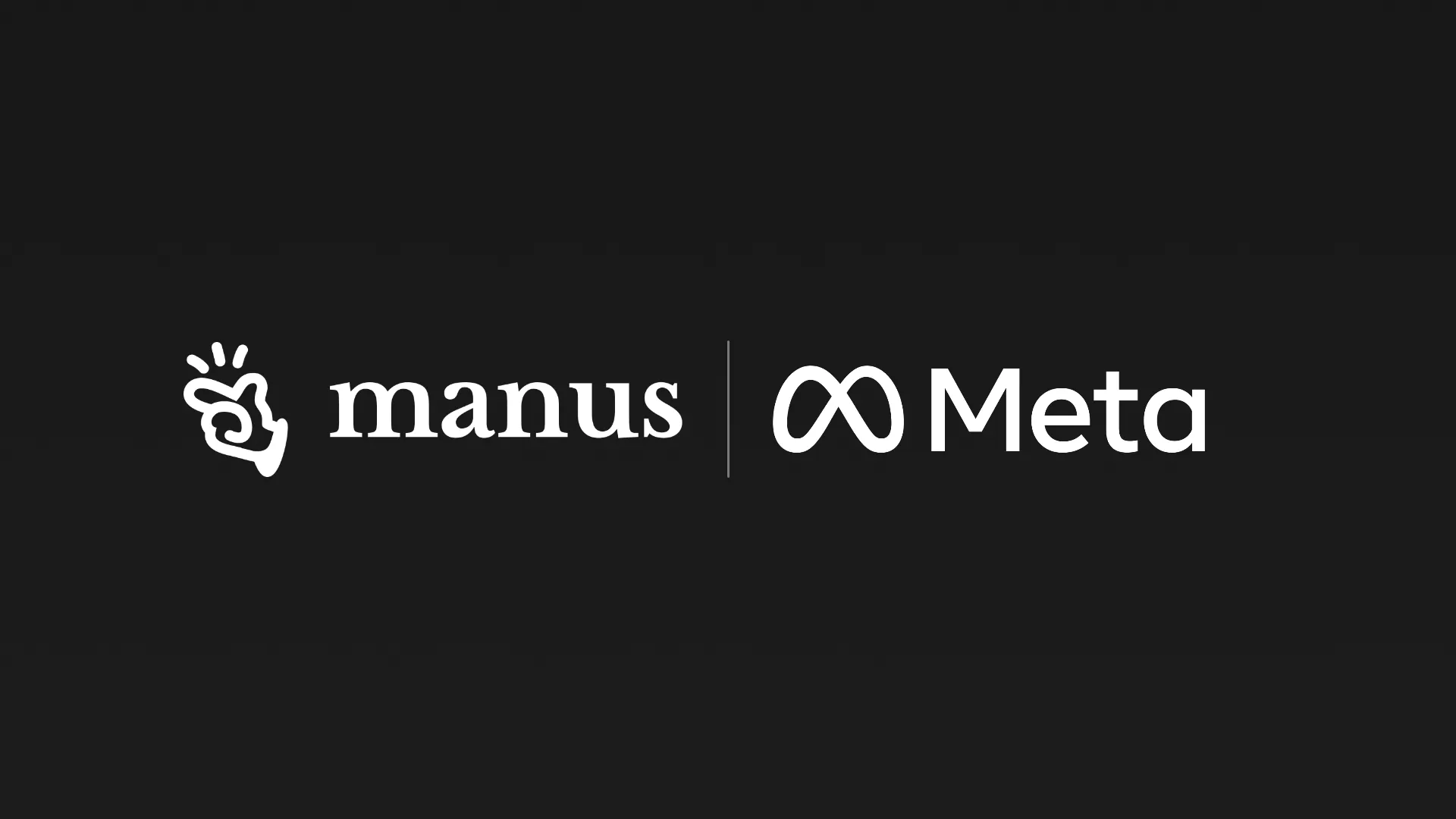
In a move that has sent ripples through the technology sector, Manus, a pioneer in General AI Agents, has officially announced its integration into the Meta family. This landmark acquisition, revealed in late December 2025, is not merely a corporate transaction but a significant validation of the transformative power of autonomous AI. The partnership signifies a major step toward embedding sophisticated, task-executing AI into the fabric of everyday digital life for billions of users and millions of businesses. By combining Manus’s cutting-edge agent technology with Meta’s unparalleled scale and platform ecosystem, this alliance is poised to redefine how we interact with AI, moving beyond simple chatbots to powerful systems that can independently research, analyze, and execute complex workflows. This blog delves into the strategic implications, technological synergies, and future possibilities unlocked by Manus joining Meta.
Main Content Sections
The Announcement: A New Chapter for AI Agents
The news broke simultaneously from both camps. Manus’s official blog post framed the acquisition as a pivotal moment for its mission, stating it provides a "stronger, more sustainable foundation" to scale its technology. Meta’s announcement, titled "Manus Joins Meta: Accelerating AI Innovation for Businesses," emphasized the strategic intent to bring a leading autonomous agent to its vast user and business network.
This dual announcement underscores a shared vision: to evolve AI from a reactive tool into a proactive partner capable of handling intricate, multi-step tasks autonomously. The move is a clear signal that the era of general-purpose AI agents—systems that can adapt to a wide array of challenges—is moving from ambitious startup projects to core components of global technology platforms.
Who is Manus? The Trailblazer in Autonomous AI Execution
To understand the significance of this deal, one must appreciate what Manus has built. Founded with a vision to create a general-purpose AI agent, Manus focused on developing an "execution layer" for AI. Unlike models that only generate text or code, Manus’s agent is designed to take a high-level goal and independently carry out the necessary steps to complete it.
The results, as highlighted in their announcement, are staggering:
- Processed over 147 Trillion tokens.
- Powered the creation of more than 80 Million virtual computers.
These metrics demonstrate not just scale, but the reliability and robustness of Manus’s systems in handling real-world, compute-intensive tasks like market research, coding, data analysis, and content creation. Manus had successfully positioned itself as a bridge between advanced AI capabilities and practical, scalable business applications.
Meta’s Strategic Vision: Embedding Intelligence at Scale
For Meta, this acquisition is a strategic masterstroke in the highly competitive AI landscape. Meta has been aggressively advancing its Meta AI offerings across its family of apps (Facebook, Instagram, WhatsApp, Messenger) and its vision for the metaverse. Integrating Manus’s technology serves multiple strategic objectives:
- Supercharging Business Tools: Manus’s ability to automate complex workflows directly aligns with Meta’s mission to build the best tools for businesses. Imagine automating ad campaign analysis, generating comprehensive market reports, or managing multi-platform customer engagement—all within Meta’s business ecosystem.
- Enhancing Consumer AI (Meta AI): This move has profound implications for Meta’s consumer-facing AI. Future iterations of Meta AI could evolve from an informative assistant to an actionable agent that can book travel, plan projects, or conduct in-depth research on a user’s behalf.
- Accelerating Innovation: By bringing Manus’s exceptional talent in-house, Meta gains a dedicated team of experts focused on the frontier of autonomous agent development, accelerating its own R&D roadmap.
What This Means for Current and Future Users
A crucial point from both announcements is the commitment to continuity. Manus has assured its customers that this change "won’t be disruptive."
- Service Continuity: The Manus product subscription service will continue to be sold and operated via its app and website.
- Operational Independence: The company will continue to operate from Singapore, maintaining its operational cadence.
- Long-Term Vision: The immediate plan is business-as-usual, but the long-term vision is expansive. As stated by Manus CEO Xiao Hong, the goal is to eventually "expand this subscription to the millions of businesses and billions of people on Meta’s platforms." This suggests a future where Manus’s powerful agent capabilities become a native, accessible feature within the Meta ecosystem.
Key Features and Benefits of the Manus-Meta Integration
The convergence of Manus’s technology and Meta’s platform promises to unlock significant value. Here are the key benefits:
- From Assistant to Agent: Transitioning AI from a tool that responds to commands to a partner that independently executes complex tasks like coding, research, and data synthesis.
- Unmatched Scale and Reach: Leveraging Meta’s infrastructure to deploy reliable AI agent technology to a global audience of billions, accelerating adoption and innovation.
- Deep Business Integration: Potential for seamless integration of autonomous agents into Meta’s business suite (Ads Manager, Commerce Manager), automating analytics, reporting, and customer interaction workflows.
- Enhanced Meta AI Capabilities: Empowering Meta’s consumer AI with the ability to perform end-to-end work, making it more useful for personal productivity and complex problem-solving.
- A Stronger Foundation for Manus: Access to Meta’s resources ensures the Manus technology can be developed on a more sustainable and robust foundation, benefiting all its users.
Potential Use Cases and Examples
The integration opens a world of practical applications. Here are a few scenarios that could soon become reality:
- For a Digital Marketer: Instead of manually compiling data from various sources, a marketer could ask the integrated AI agent within Meta Business Suite to "Analyze the performance of our Q4 Instagram campaign versus competitors and provide a slide deck with recommendations." The agent would autonomously gather data, analyze trends, and generate a presentation.
- For a Small Business Owner: An owner could use the agent to "Research the top 50 potential suppliers for organic cotton in Southeast Asia, compare their MOQs and ratings, and draft inquiry emails." This saves countless hours of manual research.
- For a Developer/Researcher: The agent could be tasked to "Review the last 10 academic papers on a specific AI model, summarize the key findings and methodologies, and then prototype a simple application based on the most promising approach."
- For an Everyday User: A person planning a vacation could ask Meta AI, powered by Manus, to "Find a family-friendly resort in Greece for the first two weeks of August that fits a $5k budget, check flight availability from my city, and create a day-by-day itinerary with activity suggestions."
Conclusion
The acquisition of Manus by Meta is far more than a headline; it is a definitive marker in the evolution of artificial intelligence. It represents the maturation of autonomous agent technology from a niche innovation to a central pillar in the strategy of a tech giant. For businesses, this signals the impending arrival of deeply integrated, powerful AI tools that can automate complexity at scale. For users, it promises a future where AI is a truly capable digital ally.
The path forward, as outlined by both companies, is one of deliberate integration and ambitious scaling. While Manus continues to serve its existing users, the combined force of its technological prowess and Meta’s platform reach sets the stage for the next era of innovation. The alliance between Manus and Meta is not just about building smarter AI; it’s about building a more capable, efficient, and intelligent digital world for everyone. The journey of the general AI agent is just beginning, and its next chapter will be written on a global scale.
Leave your comment
- No comments yet.
Recommended AI Tools
Carefully selected AI tools to improve your work, study, and live efficiency.

Related Articles
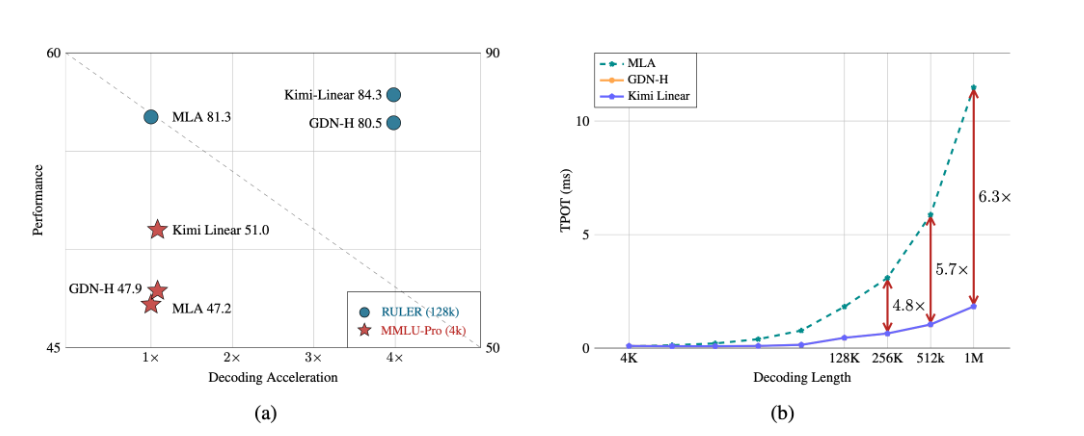
A major breakthrough has been achieved in the core architecture of large-scale models! The release of Kimi Linear marks the first time that linear attention technology has comprehensively surpassed and significantly outperformed the traditional Transformer full-attention model in both performance and efficiency. This "win-win" achievement is expected to significantly reduce the computational barriers and costs for long text processing, complex reasoning, and AI agent applications, potentially changing the competitive landscape of underlying technologies for large-scale models.
Over the past week, the AI community's attention has been drawn to a mysterious model that quietly emerged on the OpenRouter platform—Polaris Alpha. As a direct continuation of yesterday's discussion of the GPT-5.1 leak, this suddenly appearing model brings more technical details and strategic signals worthy of in-depth exploration.
Alibaba open-sources Qwen-Image-2.1: a 7B unified image model with native RGBA transparency and 10-reference editing.