More than just drawing realistically, it's about drawing accurately: An in-depth analysis of Google Nano Banana Pro's "control revolution"
Introduction: The Battle of the "New Gods" in AI Image Generation
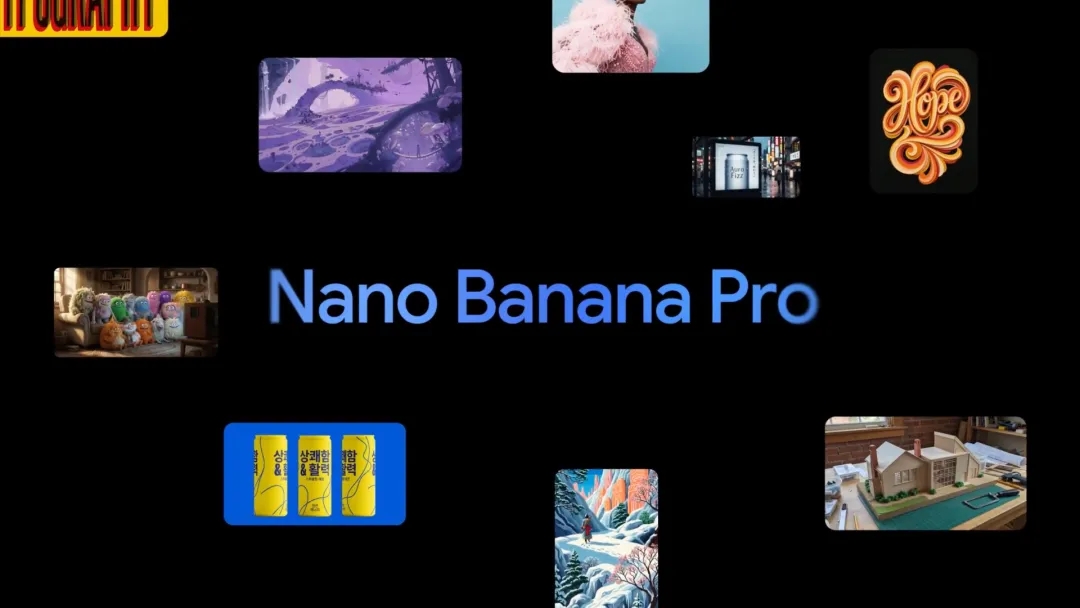
November 20, 2025, is a day destined to be recorded in the annals of AI development. Google officially released its new image generation model, codenamed Nano Banana Pro—Gemini 3 Pro Image. In a field long dominated by Midjourney and Stable Diffusion, Google appears incredibly confident, even positioning it as the "new god" in AI image generation. As an observer who has long been involved in this field, I must admit that when I see its text rendering capabilities, native 4K output quality, and astonishing multi-image fusion technology, this "arrogance" seems to have a solid foundation. Today, we'll set aside marketing rhetoric and delve into whether this tool is truly worth your time and money.
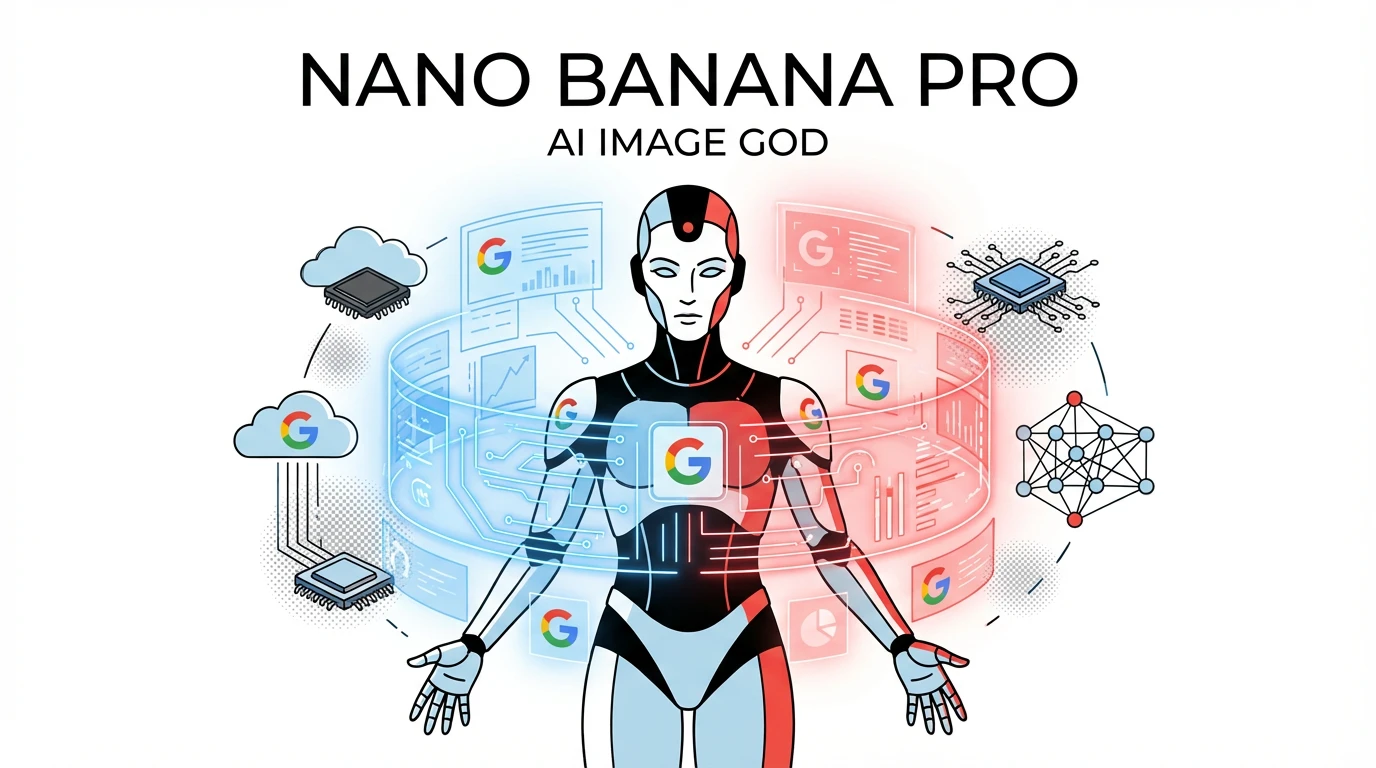
Figure 1: Google officially released Nano Banana Pro on November 20, 2025, dubbed a "new god" in the field of AI image generation.
Core Technology Breakthrough: Dual Evolution of Understanding and Control
Nano Banana Pro is not merely a stacking of pixels; it achieves a qualitative leap in its underlying logic. First, it addresses the long-standing headache of text rendering for designers. Thanks to the powerful multilingual reasoning capabilities of Gemini 3, this new model can not only accurately generate text in various fonts and styles, but also achieves a breakthrough in multilingual support. Whether it's the stroke structure of Chinese characters or complex Latin alphabet typography, it handles it with ease, achieving astonishing clarity.
Secondly, Google has introduced "world knowledge" and Search Grounding technology into image generation. This means the model is no longer fabricated out of thin air, but rather constructed based on real-world physical facts and the latest search information. This context-rich visual effect makes the generated images logically more rigorous.
Even more exciting is its high-fidelity multi-image fusion capability. For creators who need to maintain character consistency, Nano Banana Pro supports simultaneous reference to up to 14 images and can accurately maintain the facial features and identities of up to 5 different characters within a single scene. Combined with native 4K resolution output and precise magnification algorithms, it has reached the threshold for commercial delivery. Furthermore, its professional-grade editing controls set it apart, allowing users to switch between day and night lighting, adjust depth of field, color tone, and even camera angles—this level of detail in local editing is akin to operating a virtual SLR camera.
Performance Data: Facing the Strongest Competitors
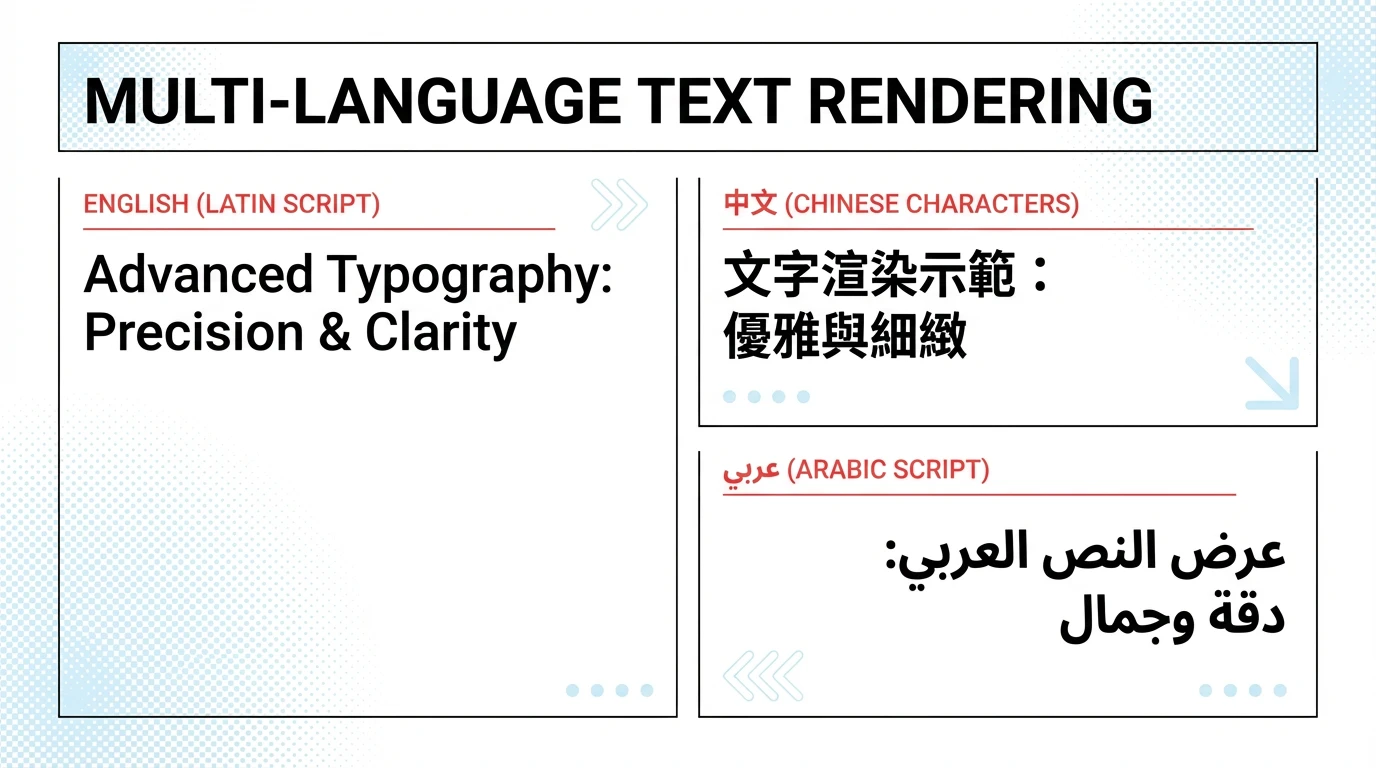
Figure 2: Thanks to the multilingual inference capabilities of Gemini 3, Nano Banana Pro can accurately render multiple languages, including Chinese, English, and Arabic.
In the field of AI, data is often more convincing than adjectives. According to benchmark data officially released by Google, Nano Banana Pro has achieved the best performance (SOTA) in all authoritative "Text-to-Image" tests.
In benchmark tests, the new Nano Banana shows a significant performance improvement over the previous generation, far surpassing GPT-Image and Flux Pro Kontext Max.
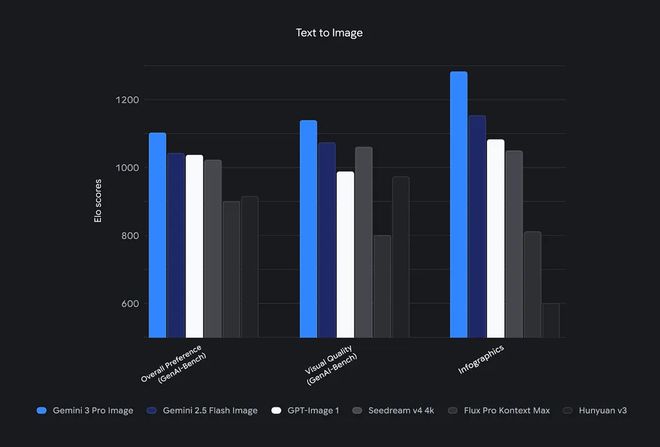
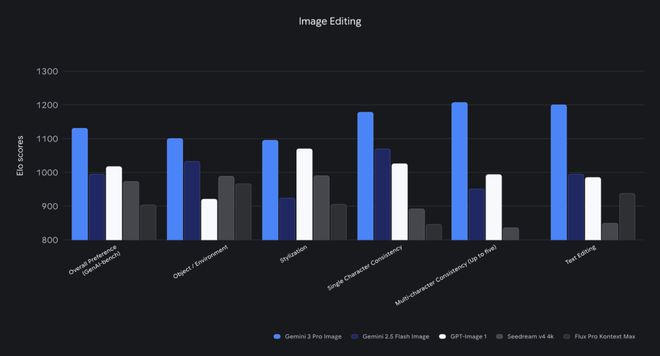
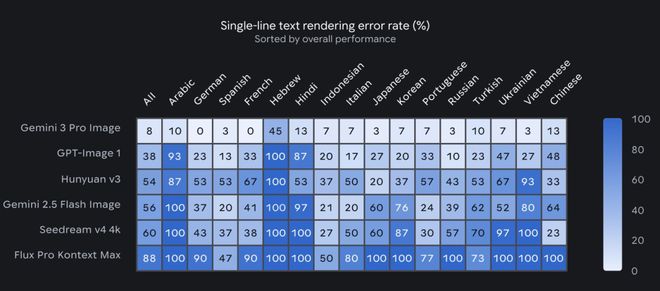
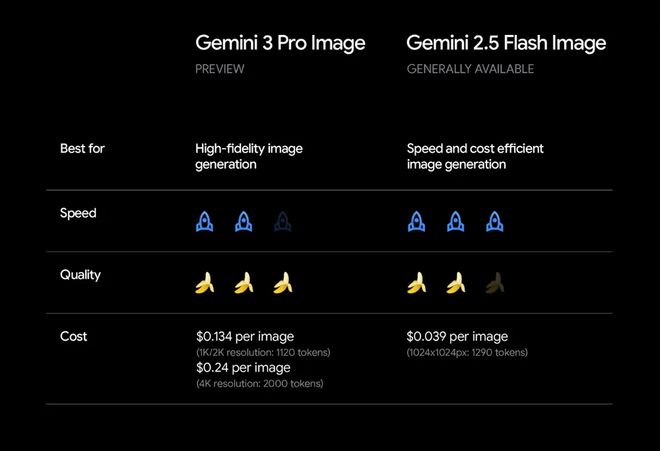
From the official ELO bar chart, we can clearly see that in blind tests compared with the current market-leading models, Nano Banana Pro holds an advantage in both semantic understanding accuracy and visual aesthetics scores.Especially in the text rendering error rate heatmap, Google's new model exhibits an extremely low error frequency, a stark contrast to the spelling errors frequently seen in competing products. As Google officially emphasizes, this model "performs exceptionally well in text-to-image AI benchmarks," which is not just a marketing slogan, but a genuine demonstration of technological superiority.
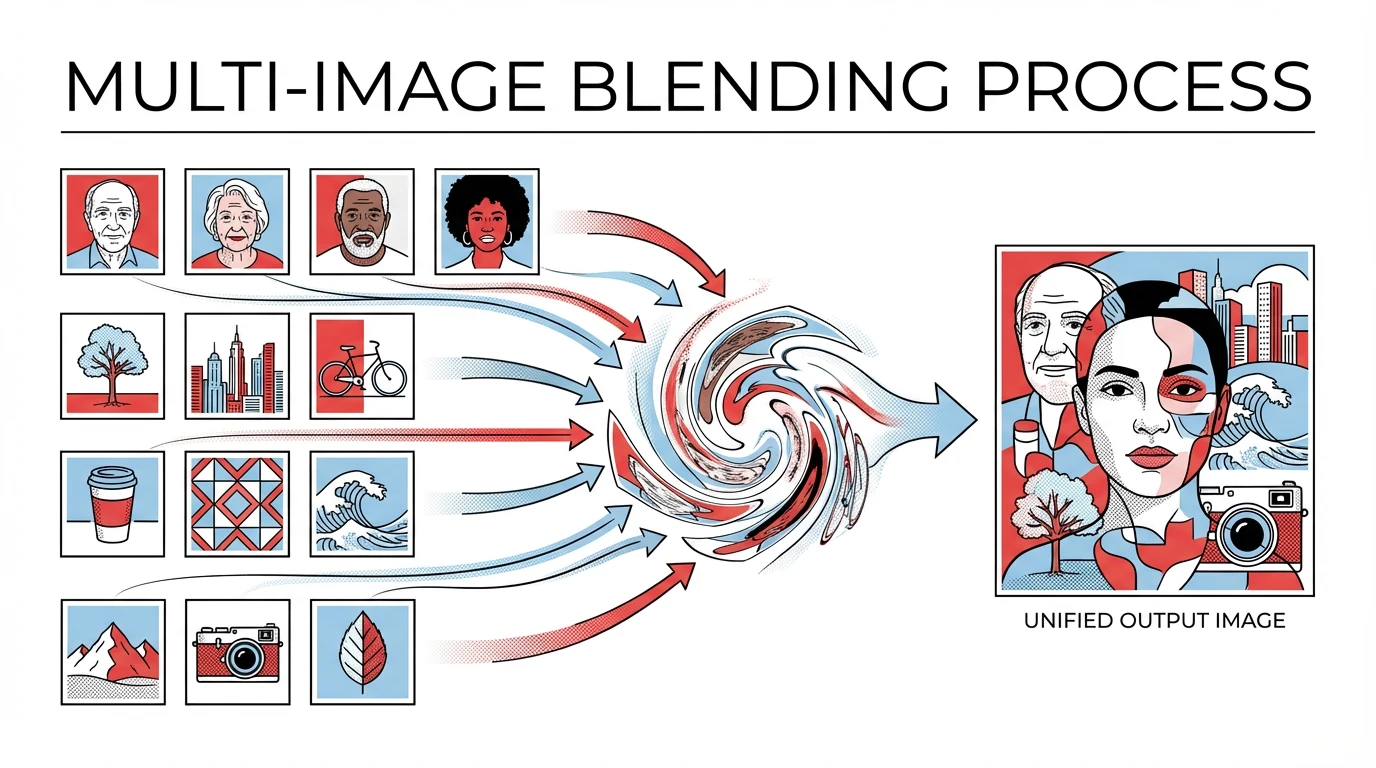
Figure 3: Supports fusion of up to 14 reference images, accurately maintains the identities of up to 5 people, and outputs up to 4K resolution.
Practical Scenarios: From Toy to Productivity Tool
This generation of model evolution marks the official transition of AI-generated images from a "gacha" game to a productivity tool. For educators and data analysts, its search-based capabilities allow for the rapid generation of charts and infographics based on real data, significantly improving the efficiency of information delivery.
In the marketing field, multinational corporations can leverage its powerful text translation and localization capabilities to generate marketing materials and product mockups adapted to different language markets with a single click, eliminating the need for tedious Photoshop post-processing. Designers and creative directors can utilize its remarkable consistency to create coherent storyboards or comics, completely avoiding the awkwardness of "this isn't the same person." Whether it's exquisite recipe visualizations or complex typography and logo design, Nano Banana Pro demonstrates extremely high usability. Currently, design giants such as Adobe, Canva, and Figma have already announced collaborations with it, integrating its high-precision generation capabilities into their respective workflows, which further confirms its commercial value.
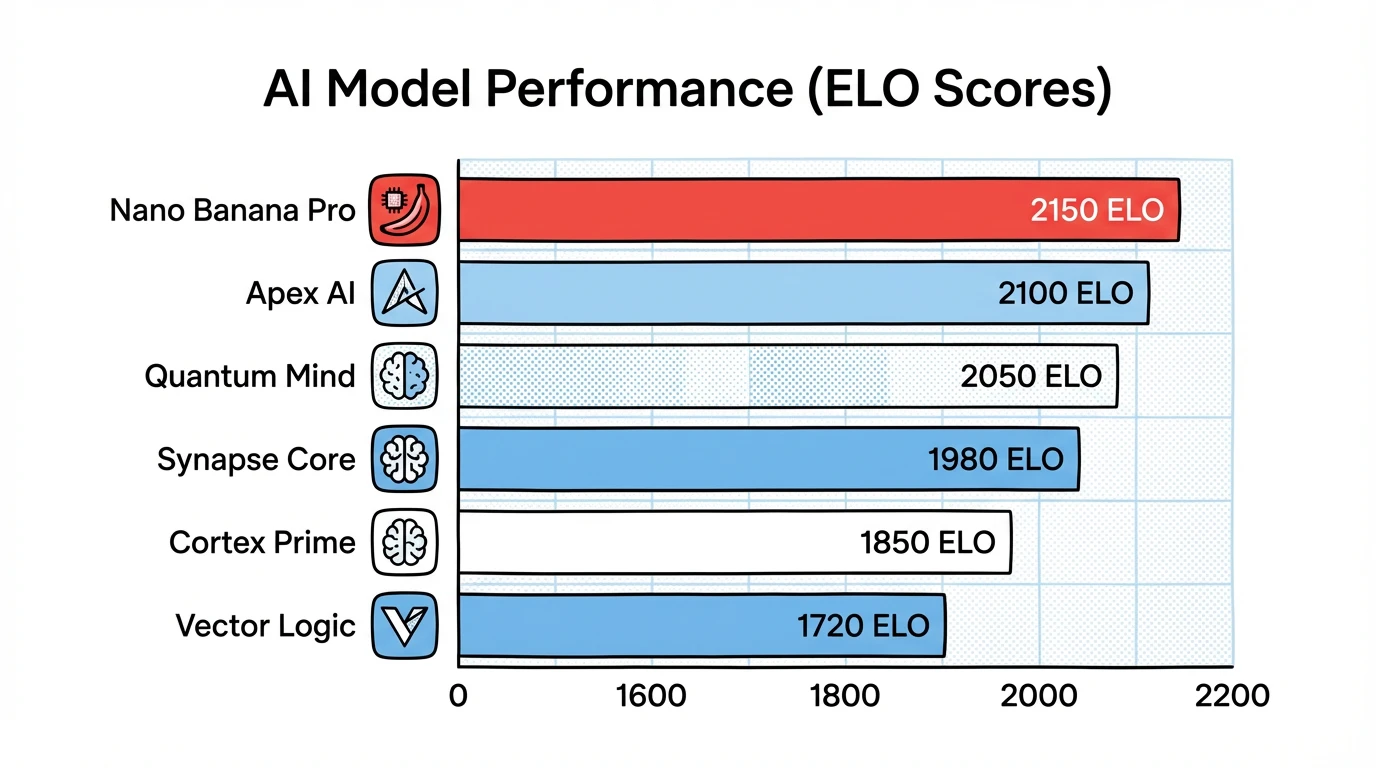
Figure 4: Comparison of Nano Banana Pro's ELO scores in Text-to-Image benchmarks, showing advantages in both semantic understanding and visual aesthetics.
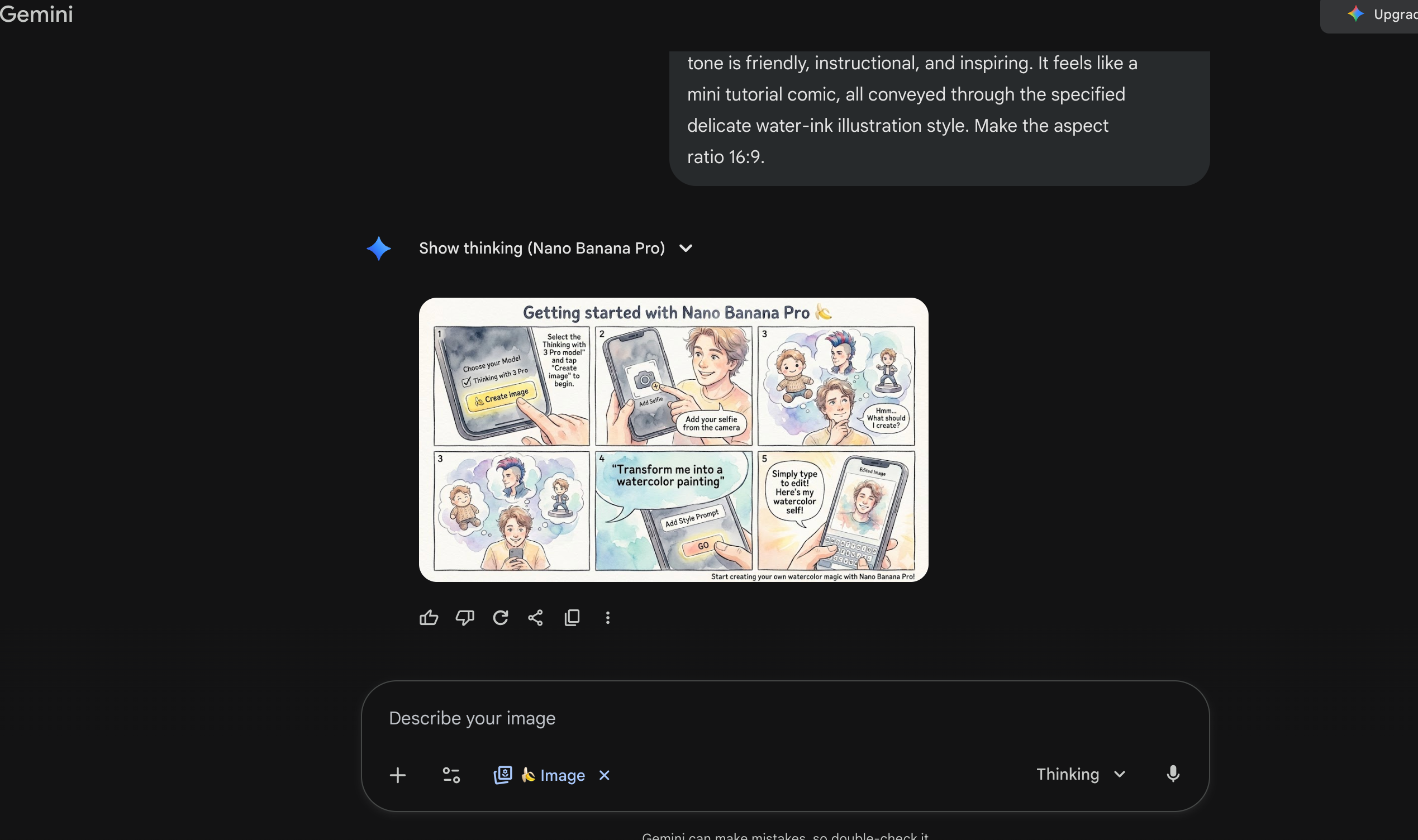
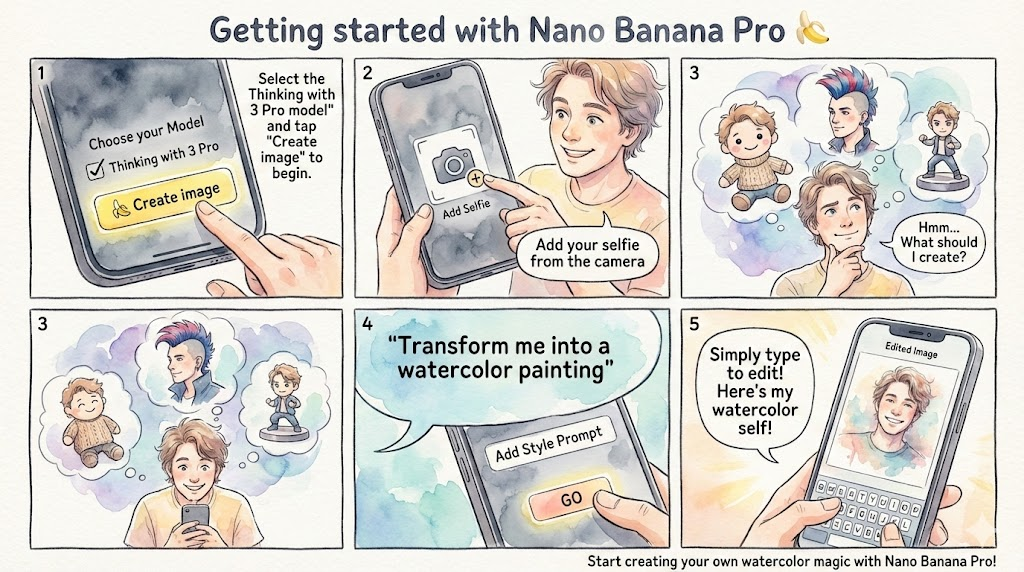
I couldn't wait to try it out, and I must say, it actually looks pretty good!
Acquisition Methods and Pricing Strategy
For users eager to try it out, Google offers flexible access options. Currently, Nano Banana Pro is being rolled out globally through the Gemini App, Google AI Studio, Workspace (including Slides, Vids, and NotebookLM), and Vertex AI.
Regarding pricing, free tier users receive a limited usage quota, which automatically reverts to the original Nano Banana model after being exhausted. Users subscribed to Google AI Plus, Pro, or Ultra enjoy a higher generation quota. For enterprise users, Workspace deployment will begin on November 20, 2025, and is expected to be completed within 15 days, with a promotional access period of over 60 days. Developers and enterprise customers can access it via API or Vertex AI starting today, supporting both pre-configured throughput and pay-as-you-go models, offering extremely high flexibility.
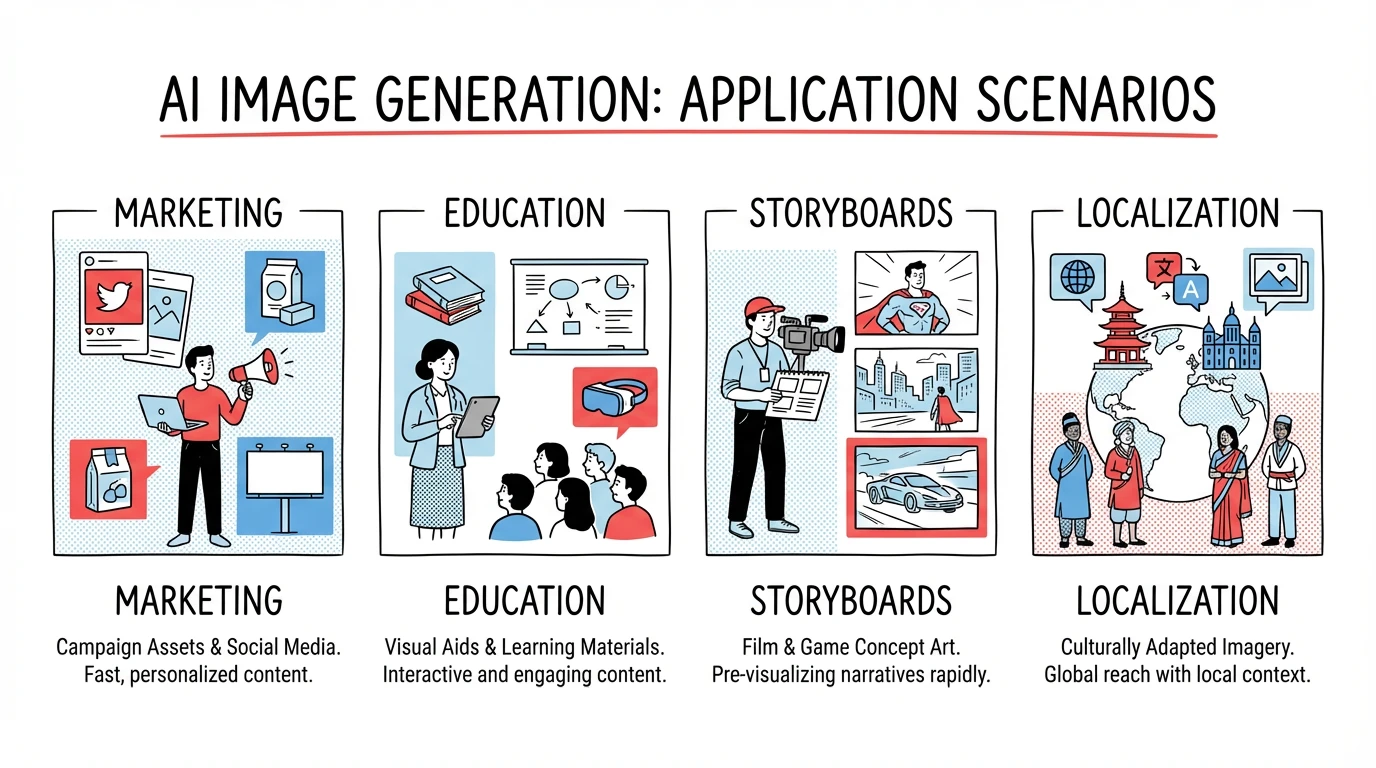
Figure 5: From educational infographics and marketing materials to creative storyboards, Nano Banana Pro has become a true productivity tool
Limitations and Future Prospects
Of course, as a responsible review, we must also acknowledge its shortcomings. Google has frankly listed its current limitations: the model may still make mistakes when handling extremely small faces, complex spellings, minute details, and certain localization nuances. Occasionally, logical flaws may also appear with complex editing and multi-image mixing. Therefore, users must manually verify any factual content generated by it.
Finally, security is paramount. To address the growing problem of AI-generated forgery, Google announced: "We believe it is crucial to know when an image was generated by AI. That's why all media generated by Google tools is embedded with a SynthID digital watermark that is difficult for us to detect." This is both a protection of copyright and a respect for the real world.
Overall, while Nano Banana Pro is not perfect, its advancements in text control, multimodal understanding, and productivity integration certainly qualify it as a contender for the top spot. For creators, now is the perfect time to enter the market.
References:
https://blog.google/technology/ai/nano-banana-pro/
Leave your comment
- No comments yet.
Recommended AI Tools
Carefully selected AI tools to improve your work, study, and live efficiency.

Related Articles
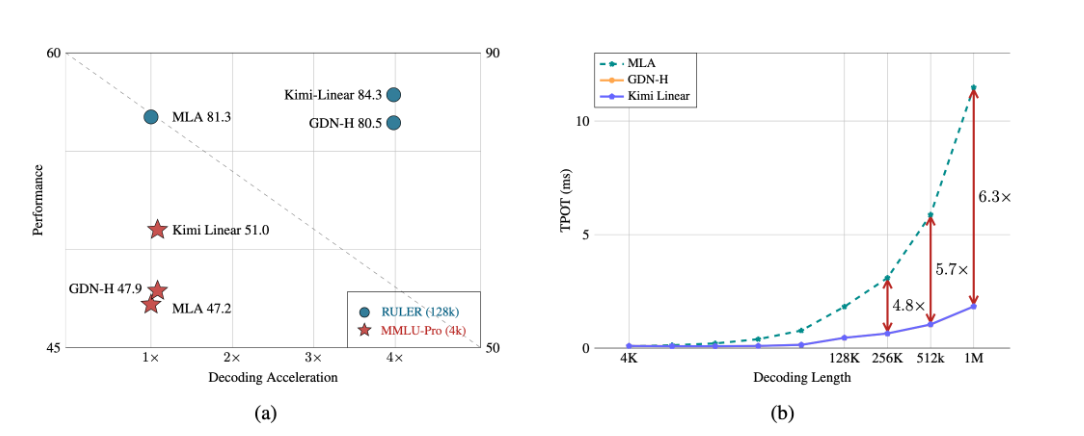
A major breakthrough has been achieved in the core architecture of large-scale models! The release of Kimi Linear marks the first time that linear attention technology has comprehensively surpassed and significantly outperformed the traditional Transformer full-attention model in both performance and efficiency. This "win-win" achievement is expected to significantly reduce the computational barriers and costs for long text processing, complex reasoning, and AI agent applications, potentially changing the competitive landscape of underlying technologies for large-scale models.
Over the past week, the AI community's attention has been drawn to a mysterious model that quietly emerged on the OpenRouter platform—Polaris Alpha. As a direct continuation of yesterday's discussion of the GPT-5.1 leak, this suddenly appearing model brings more technical details and strategic signals worthy of in-depth exploration.
Alibaba open-sources Qwen-Image-2.1: a 7B unified image model with native RGBA transparency and 10-reference editing.