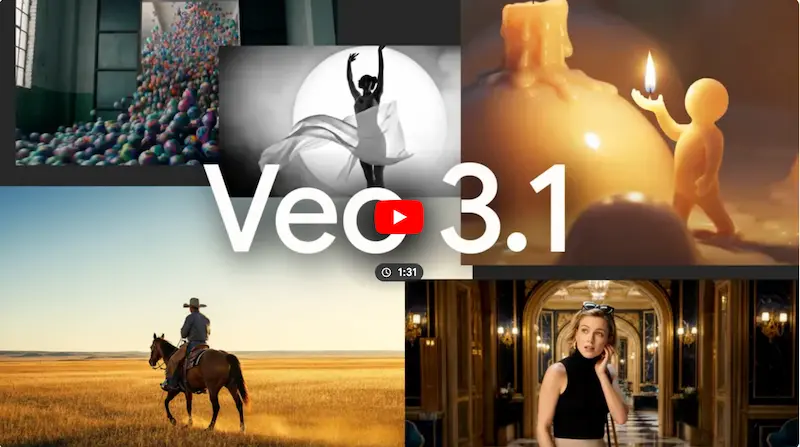
Veo 3.1: Google's Latest Leap in AI Video Generation
Introduction
The world of AI-powered video creation is undergoing a revolutionary transformation, and at the forefront of this evolution stands Google's Veo 3.1. As the latest iteration of Google's groundbreaking video generation model, Veo 3.1 represents a significant leap forward in what's possible with artificial intelligence in visual media. Integrated directly into Google's Flow platform, this advanced AI model is poised to redefine how creators, marketers, and businesses approach video content creation.
Building upon the foundation laid by its predecessors, Veo 3.1 brings enhanced capabilities that push the boundaries of AI-generated video quality, consistency, and creative control. For anyone involved in content creation, understanding Veo 3.1's capabilities isn't just about keeping up with technology—it's about harnessing a powerful tool that could fundamentally change their creative workflow.
What is Veo 3.1?
Veo 3.1 is Google's most advanced text-to-video generation model to date, representing the cutting edge of AI video synthesis technology. As part of Google's continued investment in generative AI, Veo 3.1 builds upon the capabilities introduced in earlier versions while addressing many of the limitations that previously constrained AI video generation.
At its core, Veo 3.1 is designed to understand and interpret natural language prompts, transforming textual descriptions into high-quality, coherent video sequences. What sets Veo 3.1 apart is its integration with Google's Flow platform, creating a seamless ecosystem where users can not only generate videos but also edit and refine them using advanced AI-powered tools.
The model represents Google's response to the growing demand for more sophisticated and controllable video generation tools, offering improvements in video quality, temporal consistency, and prompt adherence that address common pain points in earlier AI video systems.
Enhanced Capabilities in Veo 3.1
Superior Video Quality and Resolution
One of the most noticeable improvements in Veo 3.1 is the significant enhancement in video quality and resolution. The model generates videos with remarkable clarity and detail, supporting higher resolutions that make the content suitable for professional applications. This improvement isn't just about pixel count—it's about the nuanced understanding of lighting, textures, and physical properties that make generated videos feel more realistic and visually appealing.
The enhanced quality extends to better handling of complex scenes with multiple elements, improved color grading, and more natural motion dynamics. Whether generating footage of natural landscapes, urban environments, or abstract concepts, Veo 3.1 demonstrates a sophisticated understanding of visual aesthetics that was previously challenging for AI systems to achieve consistently.
Improved Temporal Consistency
Perhaps the most technically challenging aspect of AI video generation has been maintaining consistency across frames—a problem known as temporal coherence. Earlier AI video models often struggled with objects that would flicker, morph, or disappear between frames, breaking the illusion of continuous motion.
Veo 3.1 addresses this fundamental challenge with advanced architecture that better understands object permanence and spatial relationships over time. The result is videos where characters, objects, and environments remain stable and consistent throughout the sequence, creating a more believable and professional-looking final product. This improvement is particularly noticeable in longer video generations where maintaining coherence becomes increasingly difficult.
Advanced Prompt Understanding and Adherence
While previous AI video models could generate visually impressive content, they often struggled with complex or nuanced prompts. Veo 3.1 represents a significant step forward in natural language understanding specific to video generation contexts.
The model demonstrates improved comprehension of:
- Complex action sequences with multiple elements
- Specific artistic styles and visual aesthetics
- Temporal relationships ("before," "after," "while")
- Camera movements and cinematographic techniques
- Emotional tone and atmospheric qualities
This enhanced prompt adherence means creators can exercise more precise control over their generated content, reducing the need for multiple generations to achieve their desired outcome.
Integration with Google Flow Platform
Seamless Editing Workflow
The integration of Veo 3.1 into Google's Flow platform represents a strategic move toward creating a comprehensive AI-powered video creation ecosystem. Rather than functioning as a standalone tool, Veo 3.1 becomes part of a larger workflow where generation and editing coexist seamlessly.
This integration allows users to:
- Generate initial video content using Veo 3.1
- Make adjustments and refinements using Flow's editing tools
- Regenerate specific segments while maintaining overall consistency
- Apply stylistic changes across entire video sequences
- Combine AI-generated elements with traditional footage
The seamless workflow eliminates the friction typically associated with moving between generation and editing phases, creating a more fluid creative process.
Advanced Editing Capabilities
Within the Flow platform, Veo 3.1's generated content can be manipulated using a suite of advanced editing tools powered by complementary AI technologies. These capabilities include:
Style Transfer and Consistency: Apply consistent artistic styles across generated video sequences, maintaining visual coherence even when modifying specific elements.
Object-Level Editing: Make precise adjustments to individual elements within generated videos without affecting the entire scene—a capability that was previously extremely challenging with AI-generated content.
Temporal Editing Tools: Modify the timing, pacing, and sequence of events within generated videos, offering creative control over how actions unfold.
Multi-Modal Integration: Combine generated video with other AI-created content, such as AI-generated audio or text elements, within the same platform.
Key Features and Benefits
Enhanced Creative Control
- Precise Prompt Engineering: Veo 3.1 understands nuanced instructions including specific camera angles, lighting conditions, and compositional elements
- Style Consistency: Maintain artistic coherence across multiple generated sequences
- Iterative Refinement: Easily modify and regenerate specific aspects of videos while preserving desired elements
- Multi-shot Coordination: Generate consistent video sequences across different shots and angles of the same scene
Professional-Grade Output Quality
- High-Resolution Support: Generate content suitable for professional applications and various platforms
- Improved Realism: Advanced understanding of physics, materials, and lighting creates more believable scenes
- Reduced Artifacts: Minimized visual glitches, distortions, and inconsistencies that plagued earlier generations
- Adaptable Aspect Ratios: Support for various formats including vertical, horizontal, and square videos
Workflow Efficiency
- Rapid Prototyping: Quickly visualize concepts and ideas without extensive production resources
- Reduced Production Costs: Lower barriers to high-quality video content creation
- Scalable Content Generation: Produce multiple variations for testing and optimization
- Integrated Toolset: All necessary tools available within a single platform ecosystem
Practical Applications and Use Cases
Content Creation and Marketing
For content creators, marketers, and social media managers, Veo 3.1 opens up new possibilities for rapid content production. The ability to generate high-quality video content quickly and cost-effectively addresses the insatiable demand for visual content across platforms.
Practical applications include:
- Generating promotional videos for product launches
- Creating social media content tailored to different platforms
- Producing explainer videos and visual guides
- Developing visual content for advertising campaigns
- Creating background footage for presentations and pitches
Film and Storyboarding
Independent filmmakers and production studios can leverage Veo 3.1 for pre-visualization and storyboarding. The technology allows creators to visualize scenes before committing to expensive production processes, making it easier to experiment with different visual approaches and narrative techniques.
Specific use cases:
- Rapid storyboard generation for script visualization
- Testing different cinematographic approaches and styles
- Creating placeholder content for editing workflows
- Generating visual effects references and pre-visualization
- Producing animatics and motion storyboards
Educational and Training Materials
Educators and training professionals can use Veo 3.1 to create engaging visual content that enhances learning experiences. The ability to generate specific scenarios, demonstrations, and visual explanations makes complex topics more accessible.
Implementation examples:
- Generating historical reenactments or scientific demonstrations
- Creating safety training videos with specific scenarios
- Producing language learning content with contextual visuals
- Developing technical training materials with precise visual examples
- Creating accessible content for different learning styles
The Future of AI Video Generation
Emerging Trends and Developments
Veo 3.1 represents a significant milestone in the evolution of AI video technology, but it's part of a broader trajectory of advancement. The field is moving toward even more sophisticated capabilities, including:
Longer-Form Content: While current models excel at shorter sequences, the technology is rapidly advancing toward generating coherent longer-form content.
Interactive Generation: Future iterations may allow for real-time adjustment and redirection of generated content based on user feedback.
Multi-Modal Integration: Deeper integration between video, audio, and textual elements to create more comprehensive multimedia experiences.
Personalization and Adaptation: Models that learn from individual user preferences and styles to generate increasingly tailored content.
Ethical Considerations and Responsible AI
As AI video generation capabilities advance, important ethical considerations come to the forefront. Google has implemented safeguards within Veo 3.1 and the Flow platform to address concerns around:
- Content authenticity and misinformation prevention
- Copyright and intellectual property protection
- Bias mitigation in generated content
- Appropriate use cases and content restrictions
Users of Veo 3.1 should familiarize themselves with these guidelines and consider the ethical implications of AI-generated content in their specific applications.
Getting Started with Veo 3.1
Access and Implementation
Currently integrated within Google's Flow platform, Veo 3.1 is becoming available to creators through various access programs and partnerships. Those interested in exploring its capabilities should:
- Monitor official Google announcements for access opportunities
- Review system requirements and compatibility
- Familiarize themselves with the Flow platform interface
- Explore available documentation and tutorial resources
Best Practices for Optimal Results
Based on early testing and implementation, users can achieve better results with Veo 3.1 by:
Crafting Detailed Prompts: Provide specific descriptions including style references, camera angles, lighting conditions, and emotional tone.
Iterative Approach: Start with broader concepts and refine through multiple generations rather than expecting perfection immediately.
Understanding Limitations: Recognize the current constraints around certain types of content, complex physical interactions, and highly specific visual details.
Combining AI and Traditional Techniques: Use Veo 3.1 as part of a broader toolkit rather than a complete replacement for traditional video production methods.
Conclusion
Veo 3.1 represents a significant advancement in the rapidly evolving landscape of AI video generation. By addressing key challenges around quality, consistency, and controllability while integrating seamlessly into the Flow editing platform, Google has created a tool with substantial practical applications across multiple industries and creative domains.
For content creators, marketers, educators, and visual artists, Veo 3.1 offers the potential to democratize high-quality video production while opening new creative possibilities. As the technology continues to evolve, we can expect even more sophisticated capabilities that further blur the line between AI-generated and traditionally produced content.
The integration of Veo 3.1 into Google's ecosystem signals a future where AI-powered tools become indispensable components of creative workflows, augmenting human creativity rather than replacing it. As we stand at this technological inflection point, understanding and leveraging these tools becomes increasingly important for anyone working in visual media and content creation.
Whether you're exploring AI video generation for the first time or looking to enhance your existing workflow, Veo 3.1 and its integration with Flow represent a powerful step forward in making sophisticated video creation more accessible, efficient, and creatively fulfilling.
Leave your comment
- No comments yet.
Recommended AI Tools
Carefully selected AI tools to improve your work, study, and live efficiency.



Related Articles
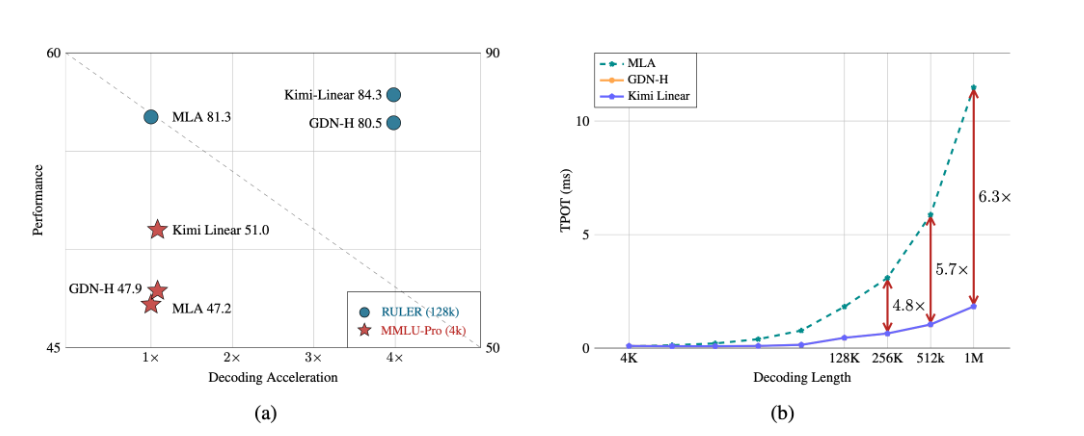
A major breakthrough has been achieved in the core architecture of large-scale models! The release of Kimi Linear marks the first time that linear attention technology has comprehensively surpassed and significantly outperformed the traditional Transformer full-attention model in both performance and efficiency. This "win-win" achievement is expected to significantly reduce the computational barriers and costs for long text processing, complex reasoning, and AI agent applications, potentially changing the competitive landscape of underlying technologies for large-scale models.
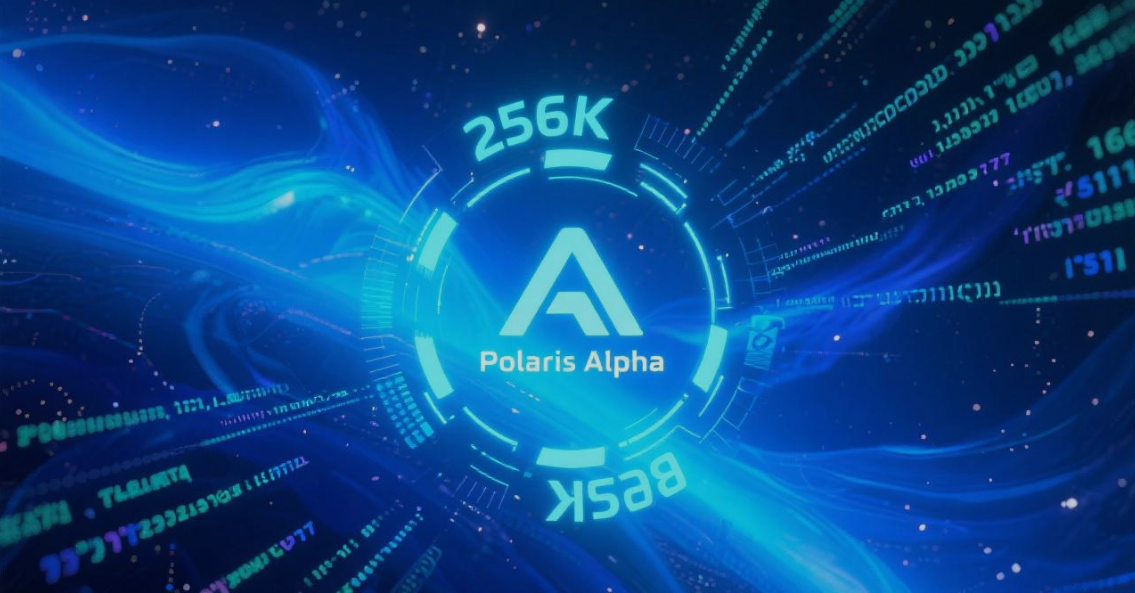
Over the past week, the AI community's attention has been drawn to a mysterious model that quietly emerged on the OpenRouter platform—Polaris Alpha. As a direct continuation of yesterday's discussion of the GPT-5.1 leak, this suddenly appearing model brings more technical details and strategic signals worthy of in-depth exploration.
Alibaba open-sources Qwen-Image-2.1: a 7B unified image model with native RGBA transparency and 10-reference editing.