Looking at the future of AI through Zhipu's IPO: A "Refueling Station" and a "Watershed" in a Marathon
I. A Long-Awaited "Coming-of-Age Ceremony"
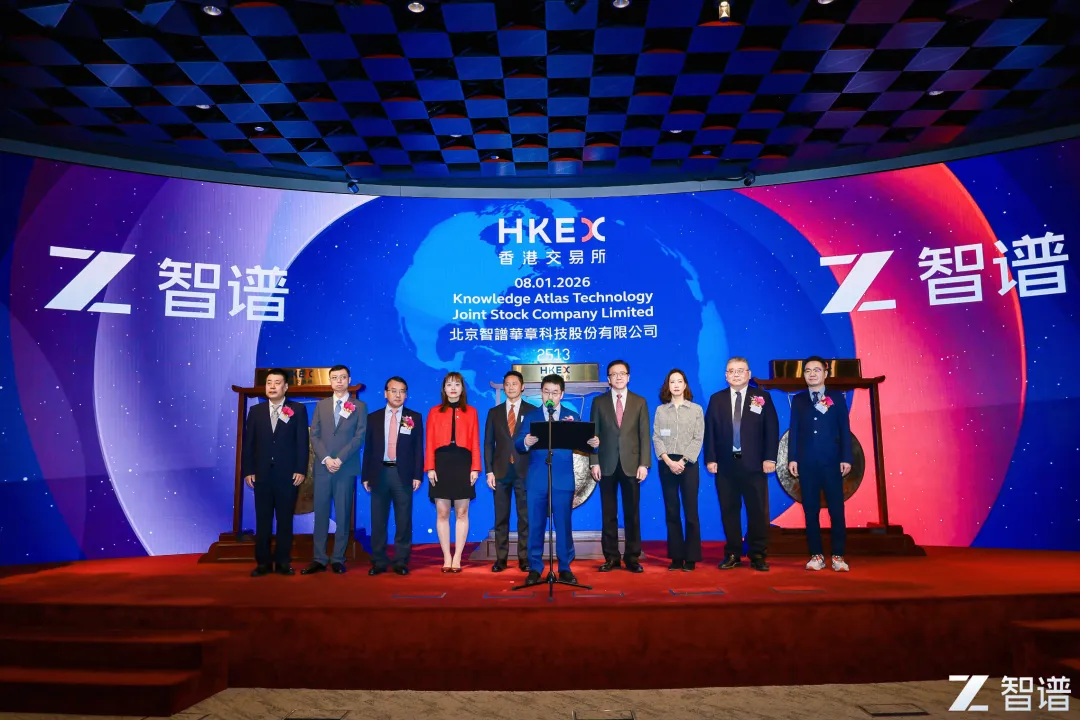
On January 8, 2026, Zhipu AI was listed on the Hong Kong Stock Exchange, becoming the "world's first large-scale model stock." On its first day of trading, its share price rose 13.17%, and its market capitalization exceeded HK$57 billion—this is not only a milestone for the company, but also a landmark event marking the transition of China's AI industry from "technology frenzy" to "commercial realization."
As the manager of an AI tool navigation site, I noticed a change in user behavior: Three years ago, basic questions such as "What is GPT?" and "What can AI do?" accounted for more than 60% of the platform's top search terms; by the end of 2025, this proportion had dropped to less than 15%, replaced by more specialized vertical needs, such as "AI + financial risk control tool recommendations" and "AI solutions for manufacturing production scheduling optimization." The annual growth rate of precise scenario queries reached a staggering 142%.
II. Zhipu's "Dual-Track System": How Do Tech Enthusiasts Make Money? Zhipu's business model is as clear as a top student's answer sheet:
Solid technological foundation: Originating from Tsinghua University's laboratories, its GLM series models are among the very few domestic technology systems that can rival international giants. Its latest model, GLM-4.7, even surpassed OpenAI's GPT-5.2 in professional tests such as code generation.
Pragmatic commercialization path: Focusing on the enterprise (B2B) end, it supplies AI capabilities to large companies like water and electricity through a "Model as a Service (MaaS)" model. Nine of the top ten internet companies in China are its clients.
However, the financial report also reveals the true face of the industry: Despite revenue growth exceeding 130% over three years, Zhipu is still operating at a loss. Earning money through AI ≠ AI profitability; high R&D investment (nearly 1.6 billion yuan in the first half of 2025) remains the norm in the industry.
III. Industry Undercurrents Behind the IPO: From the "Thousand Model War" to "Ecosystem Positioning"
As the market matures, the competitive landscape of the AI industry has changed. In 2024, there were over 200 companies developing their own large-scale AI models, but by the end of 2025, only about 30 companies were able to continuously iterate their products. The industry is clearly differentiated: B2B companies focus on specific areas, while B2C companies focus on consumer applications.
After Zhipu's IPO, the domestic AI landscape has shown two diverging paths:
The B2B group (like Zhipu): deeply rooted in enterprise services, surviving on technological barriers and customized solutions.
The B2C group (like MiniMax): focusing on the consumer end, attracting individual users through AI-powered social networking, content generation, and other products.
A more profound transformation lies in the restructuring of the "AI tool ecosystem." I've found that the AI tools included on the platform have expanded from "general-purpose large-scale models" to "vertical scenario solutions"—such as professional tools for medical image diagnosis and legal contract review. Future competition will no longer be about model performance, but about who can seamlessly integrate their models into industry workflows.
IV. Implications for Practitioners: How Should Navigation Sites Respond to "AI Democratization"? After Zhipu's IPO, I observed two trends that will directly impact the operation of tool navigation sites:
User needs are shifting from "finding tools" to "using the right tools."
In the past, users needed "AI writing tool recommendations," but now they ask, "How to use AI tools to generate viral copy that complies with cross-border e-commerce platform standards?" They are no longer satisfied with tool lists but require scenario-based solution comparisons and practical guides.
The ecosystem is upgrading from a "traffic entry point" to a "dispatch hub."
Future navigation sites may evolve into "AI dispatch platforms": users describe their needs, and the system automatically matches and calls the most suitable toolchain to complete the entire process. For example, if a user enters "create a promotional video for my new product," the navigation site can automatically connect copywriting tools, voice-over tools, and video generation tools.
V. Future Outlook: AI is no longer "showing off skills" but "building roads."
Zhipu CEO Liu Debing likened the IPO to a "marathon aid station"—but after the aid, the race will be even tougher. Next, AI companies need to prove their value in three dimensions:
Cost-effectiveness: How to provide more stable services at a lower cost (e.g., Zhipu invests 70% of its funding in R&D optimization).
Industry penetration: Can they penetrate traditional industries such as healthcare, education, and manufacturing to solve real problems?
Globalization capabilities: Chinese AI companies need to attract overseas developers, rather than just engaging in "internal competition" within the domestic market.
For ordinary users, AI is transforming from "cutting-edge technology" into "infrastructure"—just as we no longer care where the electricity comes from, but only whether the appliances work well. The value of a navigation platform is to become that "smart socket," helping everyone connect to AI capabilities more efficiently.
In conclusion: The "Navigator" Mindset in the AI Era
As an observer of the AI ecosystem, I believe the most positive significance of Zhipu's IPO is that it shows the market the possibility of combining technological idealism with commercial realism. AI competition has moved from a "model parameter race" to a "real value verification" stage.
In the future, whether it's a large model company or a tool navigation platform, the survival rule will return to its essence: whether it can reduce decision-making costs for users, improve efficiency, and create sustainable value. This marathon has no finish line, but the establishment of each support station will make the entire ecosystem more stable and sustainable.
Official References:
Leave your comment
- No comments yet.
Recommended AI Tools
Carefully selected AI tools to improve your work, study, and live efficiency.





Related Articles
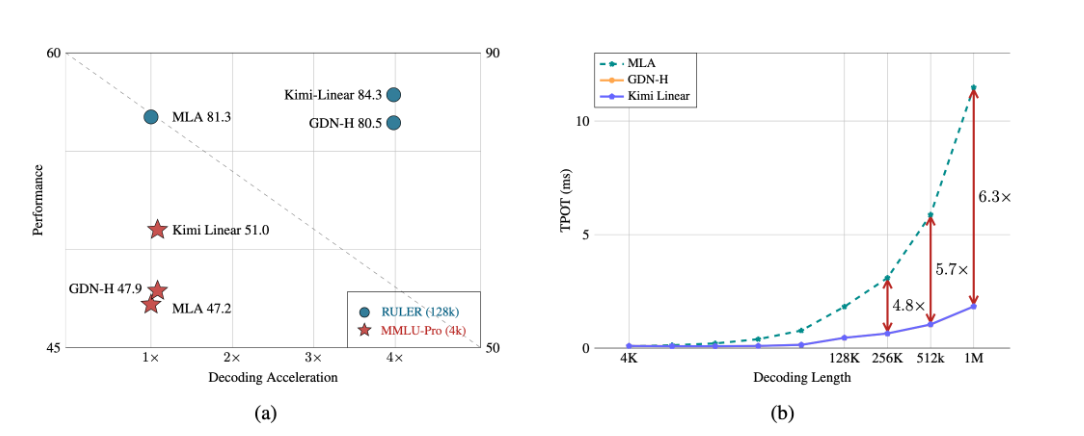
A major breakthrough has been achieved in the core architecture of large-scale models! The release of Kimi Linear marks the first time that linear attention technology has comprehensively surpassed and significantly outperformed the traditional Transformer full-attention model in both performance and efficiency. This "win-win" achievement is expected to significantly reduce the computational barriers and costs for long text processing, complex reasoning, and AI agent applications, potentially changing the competitive landscape of underlying technologies for large-scale models.
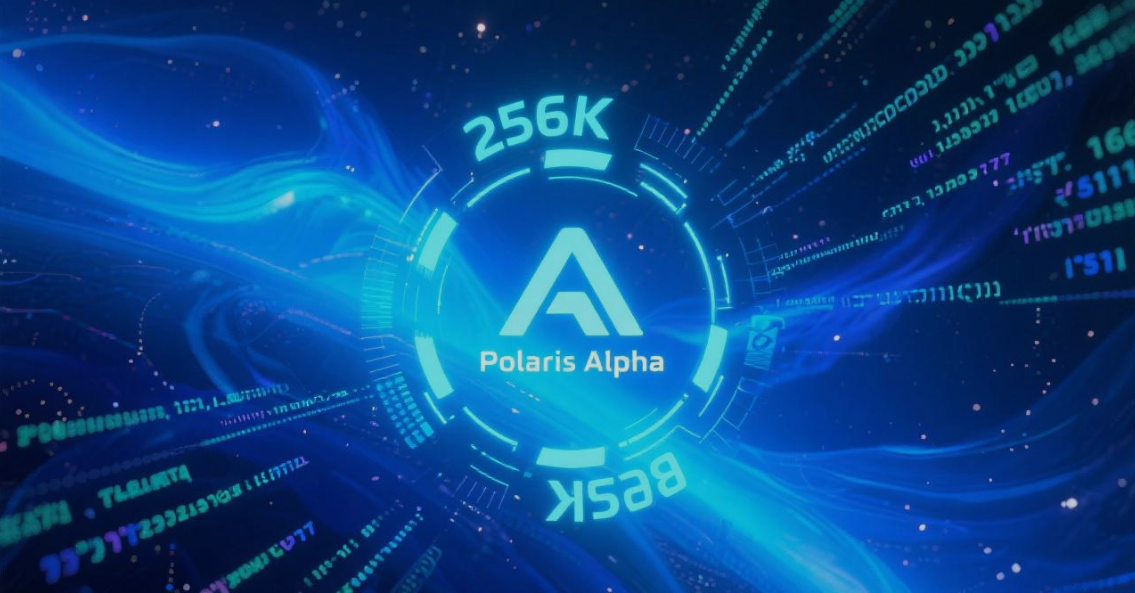
Over the past week, the AI community's attention has been drawn to a mysterious model that quietly emerged on the OpenRouter platform—Polaris Alpha. As a direct continuation of yesterday's discussion of the GPT-5.1 leak, this suddenly appearing model brings more technical details and strategic signals worthy of in-depth exploration.

Alibaba open-sources Qwen-Image-2.1: a 7B unified image model with native RGBA transparency and 10-reference editing.