AI With Me Blog & News
Explore the latest AI progress news and popular AI tool recommendations, comparisons and review articles.
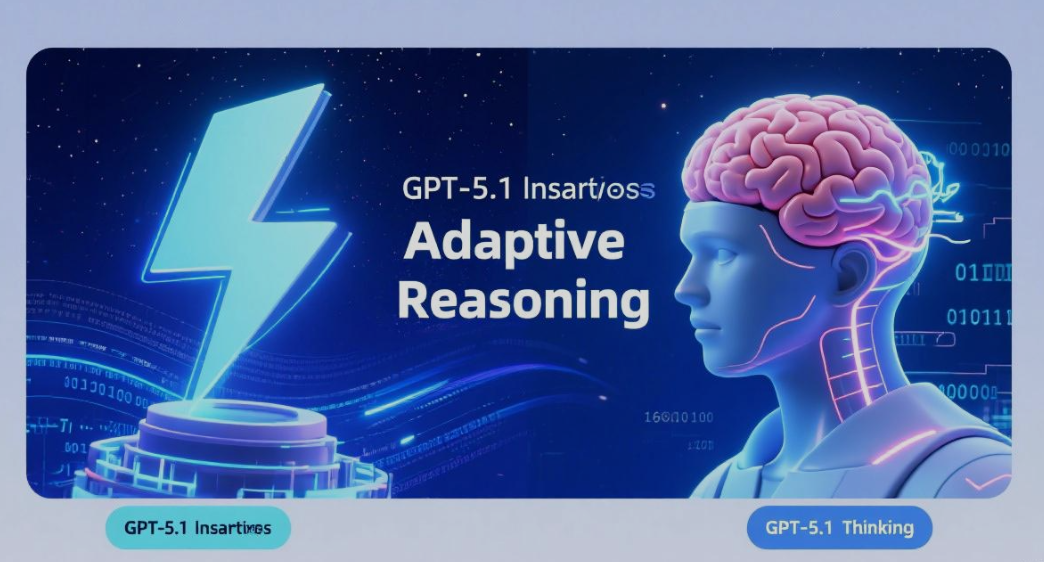
On November 12, 2025, OpenAI officially released the GPT-5.1 series of models. This release brought a perfect end to the "leak incident" of the previous week and also brought tangible technological innovation to the developer community.
Over the past week, the AI community's attention has been drawn to a mysterious model that quietly emerged on the OpenRouter platform—Polaris Alpha. As a direct continuation of yesterday's discussion of the GPT-5.1 leak, this suddenly appearing model brings more technical details and strategic signals worthy of in-depth exploration.
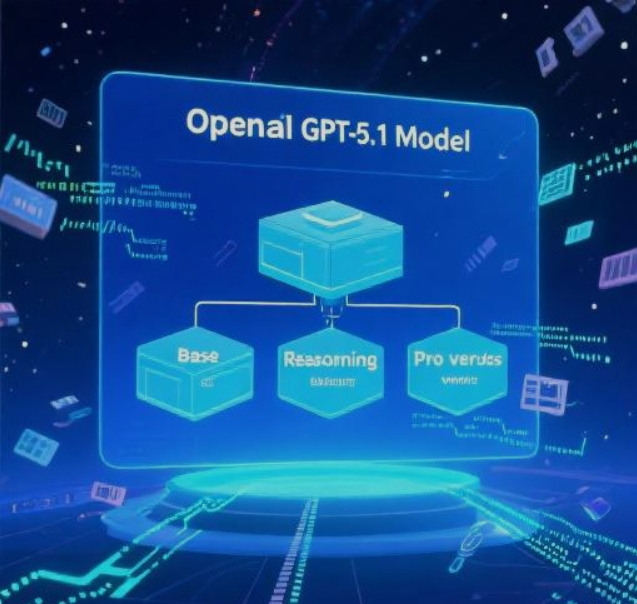
An accidental codebase leak has revealed OpenAI's strategic plans and release timeline for its next-generation large-scale model.
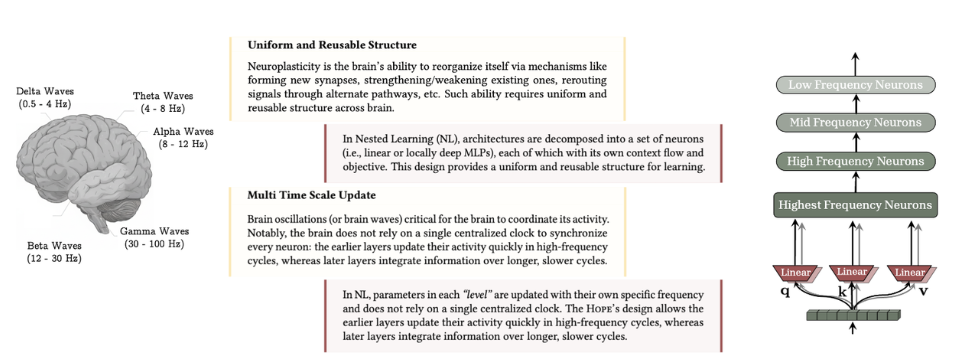
In the field of artificial intelligence, a long-standing problem has plagued researchers: catastrophic forgetting. When AI models learn new knowledge, they often lose previously acquired skills and abilities, much like overwriting an old cassette tape. This bottleneck severely restricts the continued development and practical application of large-scale models.
On November 5, 2025, SoftBank Group and OpenAI officially announced the establishment of a joint venture, SB OAI Japan GK, with plans to launch "Crystal Intelligence," an enterprise-level AI solution for the Japanese market, in 2026. This collaboration will integrate OpenAI's advanced AI technology with SoftBank's localized resources, aiming to reshape the management and operational models of Japanese companies and help them enter a new era driven by AI.
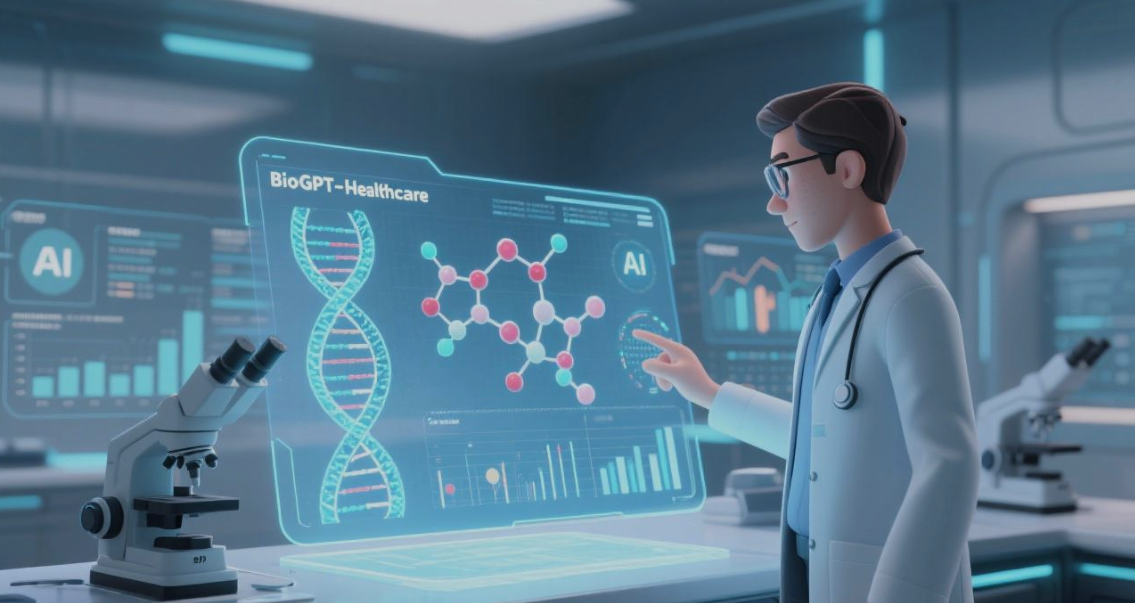
Microsoft BioGPT-Healthcare achieved an accuracy rate of 81% on PubMedQA, a professional medical question-answering benchmark, surpassing the 78% accuracy rate of human experts. This marks a new height for AI in processing professional medical knowledge.
A $38 billion computing power gamble, an unprecedented computing power arms race, is unfolding among global tech giants, propelling the AI industry into a new era where "electricity is more important than algorithms."
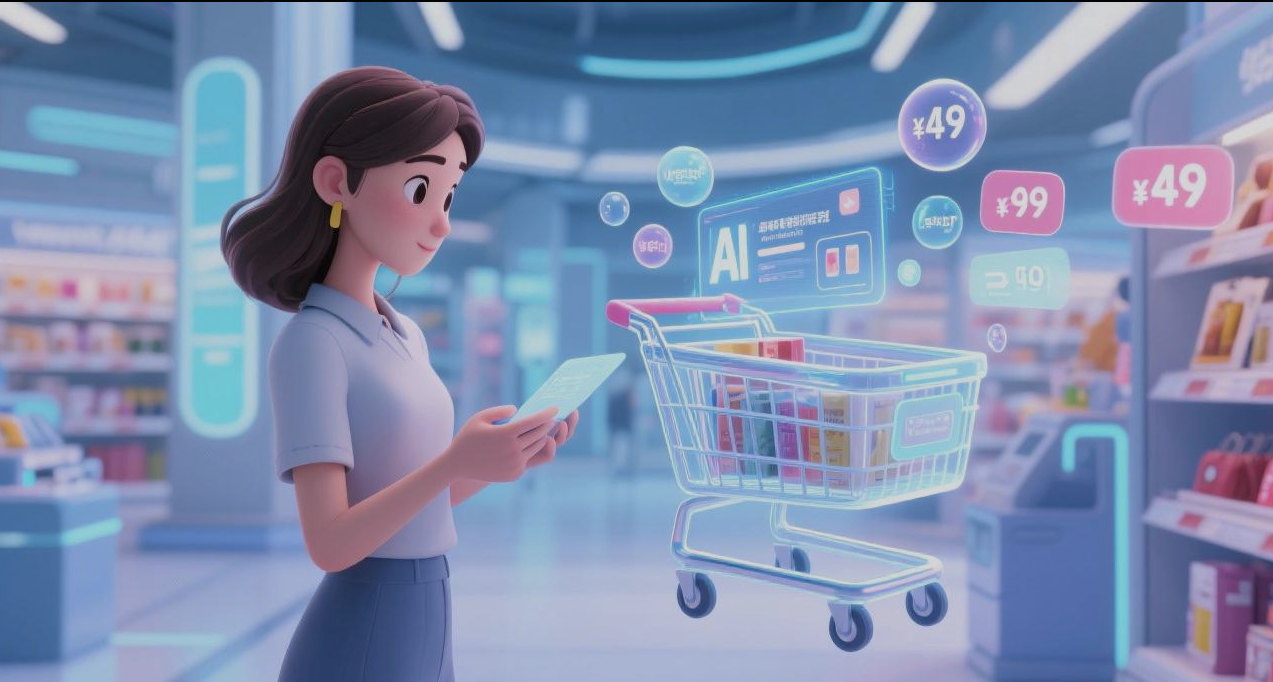
A recent study by the Nuremberg Institute for Market Decision-Making and the Vorarlberg University of Applied Sciences reveals the scale of this shift: 88% of ChatGPT users do not visit other websites when conducting product research, compared to only 27% for Google users. This data indicates that users demonstrate a very high level of trust in AI-powered shopping recommendations, and consumers' shopping habits are gradually shifting from comparing prices across multiple channels to directly accepting AI suggestions.

OpenAI announced that its AI video generation tool, Sora 2, will temporarily remove the invitation code restriction, making it available to users in the United States, Canada, Japan, and South Korea. This move marks a key step in AI video generation's transition from an "elite experience" to "mass-market application," while also revealing the enormous computational cost pressures and the urgent need to accelerate commercialization.